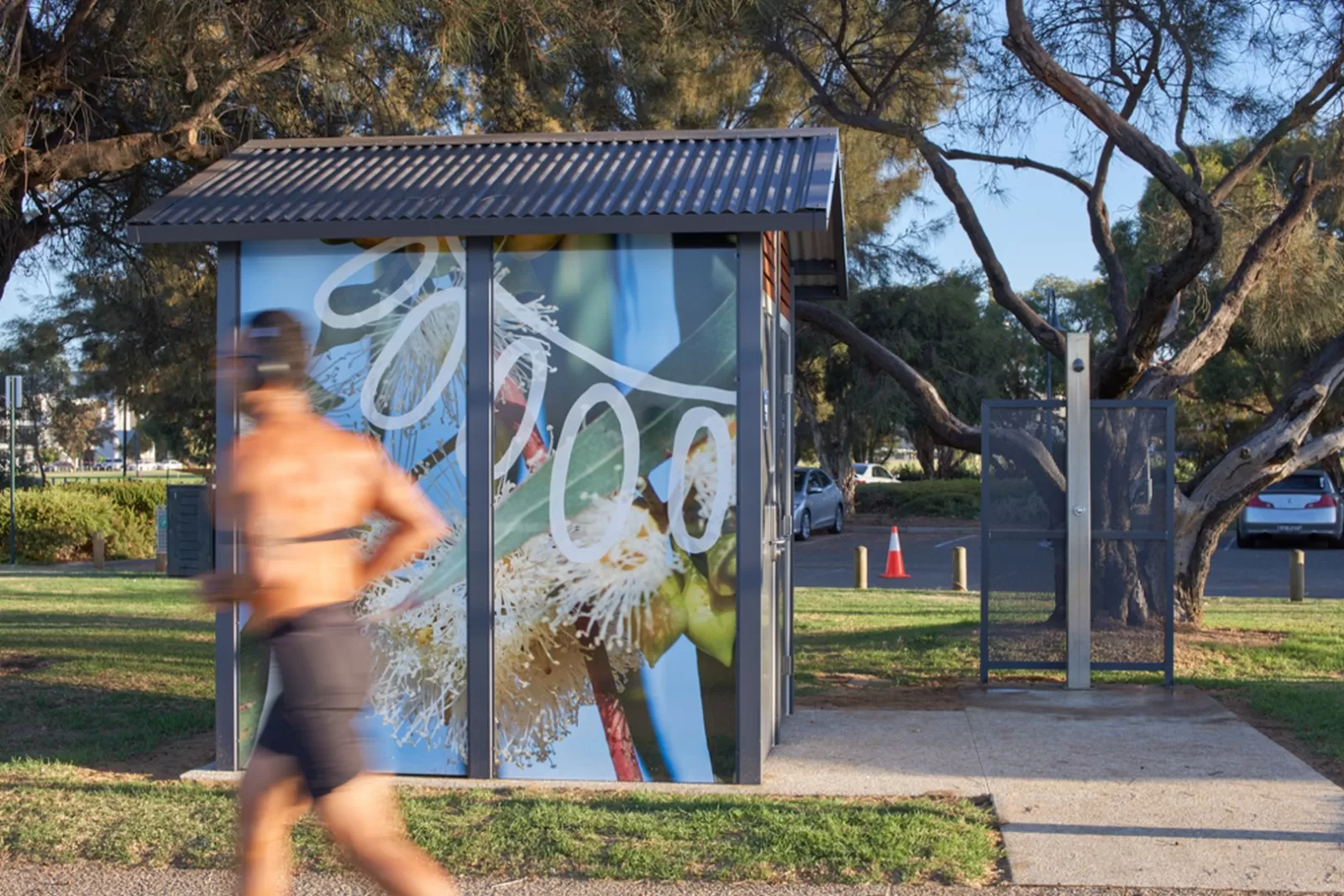
Coastal & Foreshore
Since 1999 50 years 20 year warranty Australian made and owned

Coastal & Foreshore

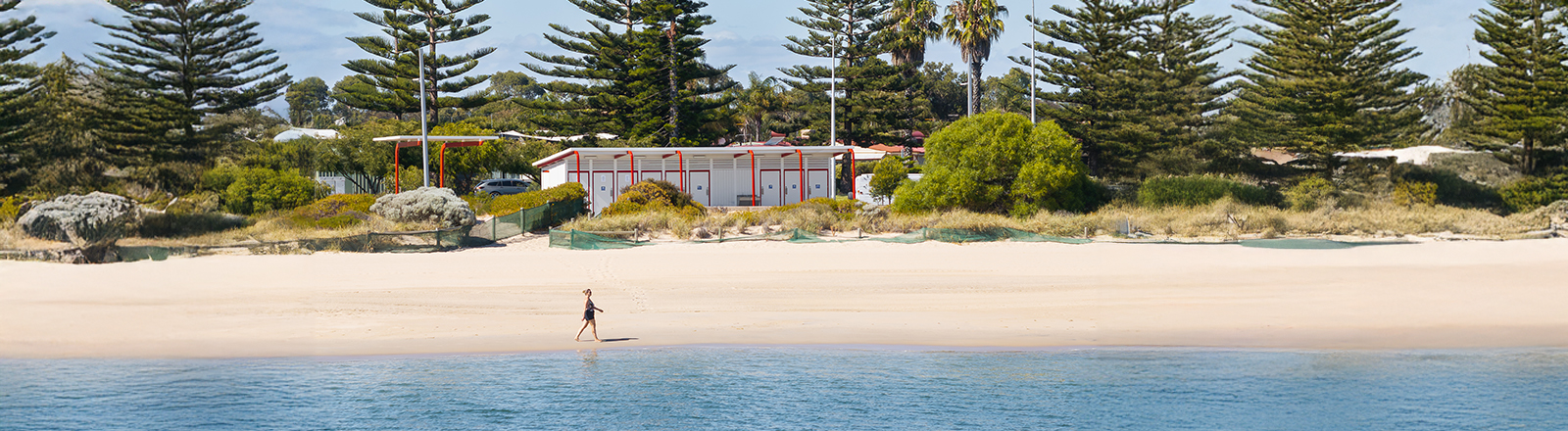
Purpose-built prefab toilet buildings designed for coastal environments. Corrosion-resistant materials, integrated showers and changerooms, and AS 1428.1 accessibility

Singleton Midcoast Victoria Parks Esperance Context Gold Coast Whitsunday Mackay Plan E Bunbury Hornsby South Perth City

Coastal toilet projects come with challenges

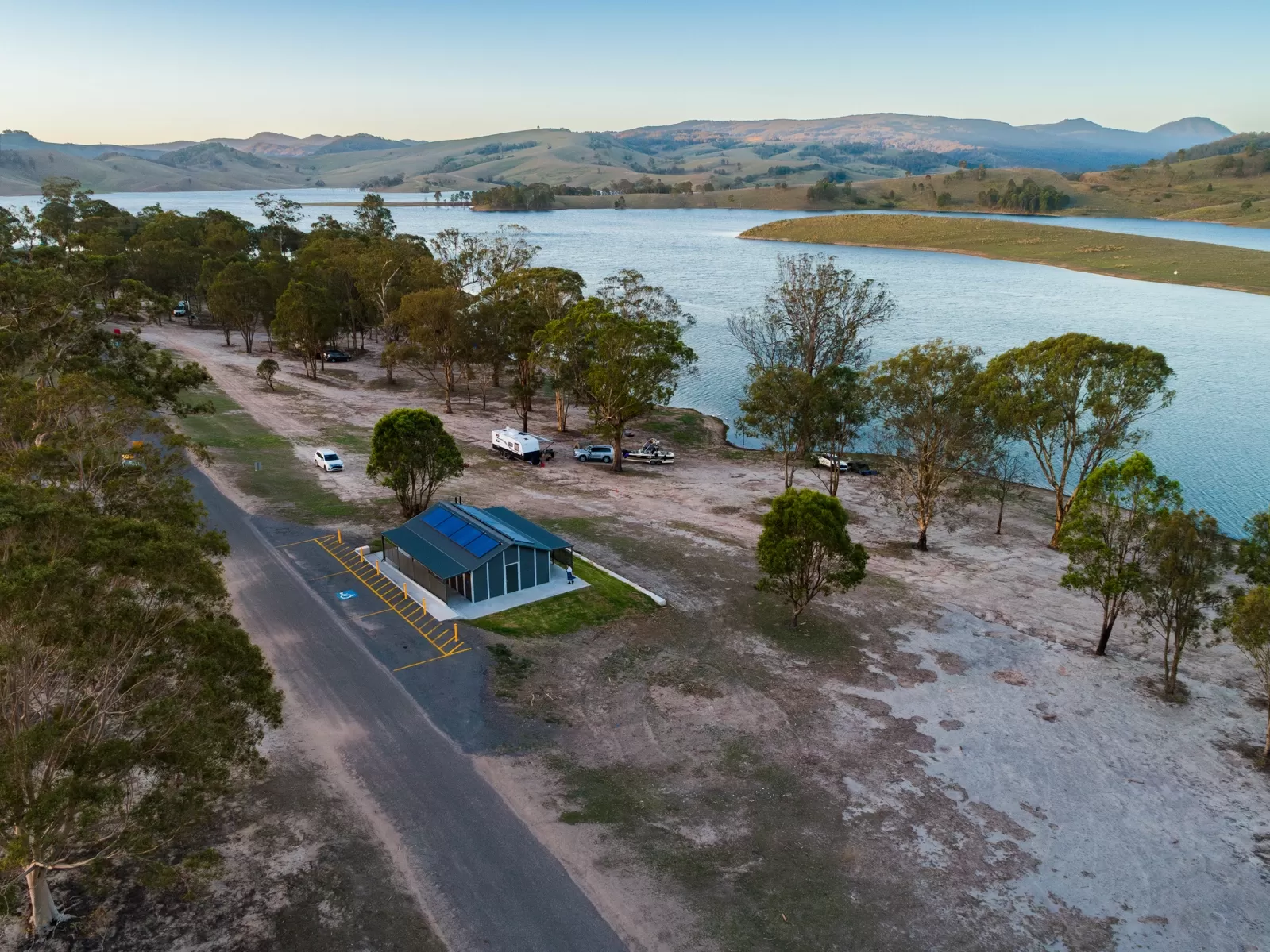
Coastal toilet projects present unique challenges that must be considered to ensure corrosion resistance, durability and aesthetic alignment.

  • Salty air will ruin infrastructure not designed to withstand it, making material selection the most critical decision for coastal facilities.

  • Beachside facilities often need integrated showers and changerooms for swimmers, going well beyond a standard toilet block.

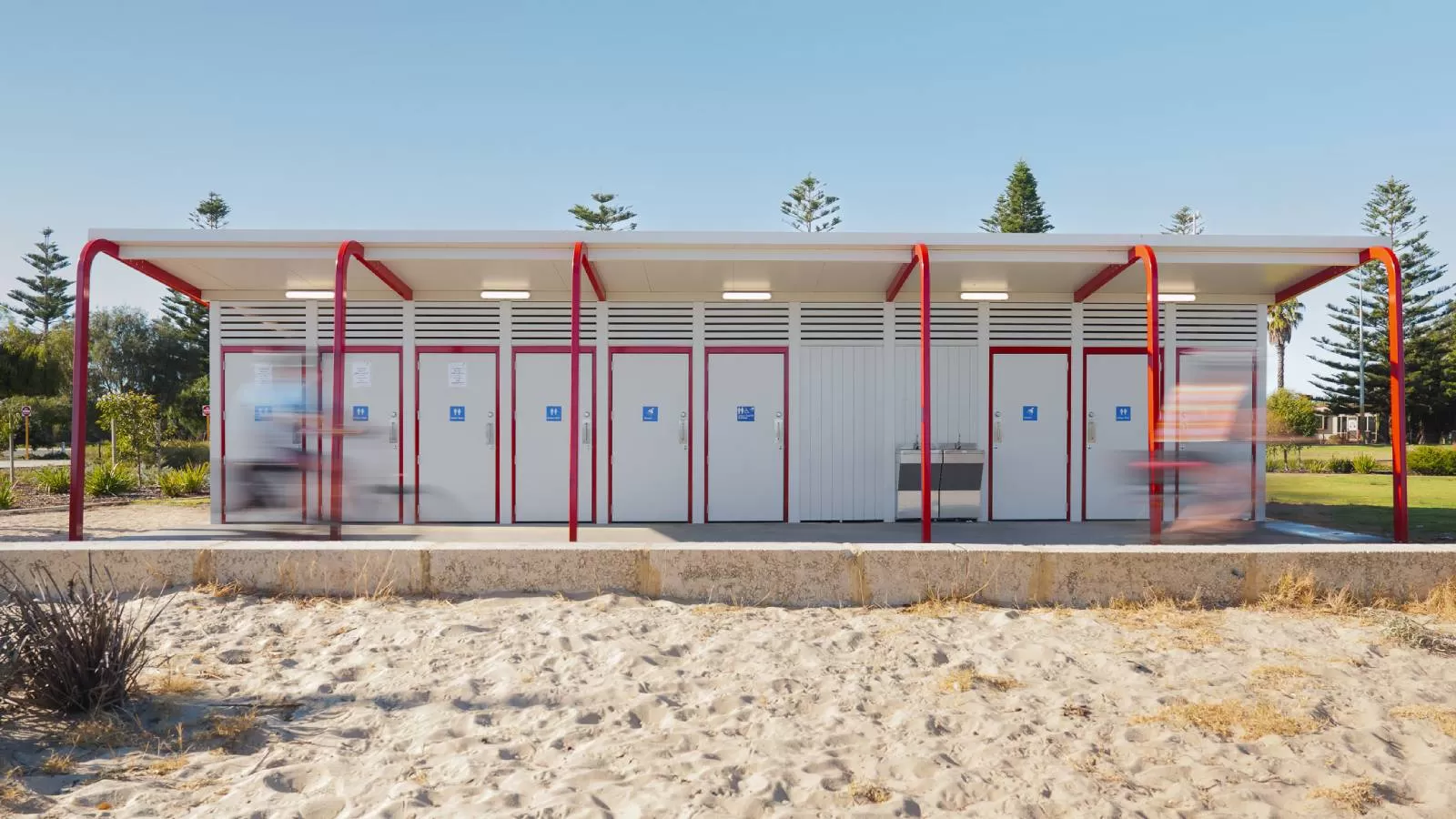
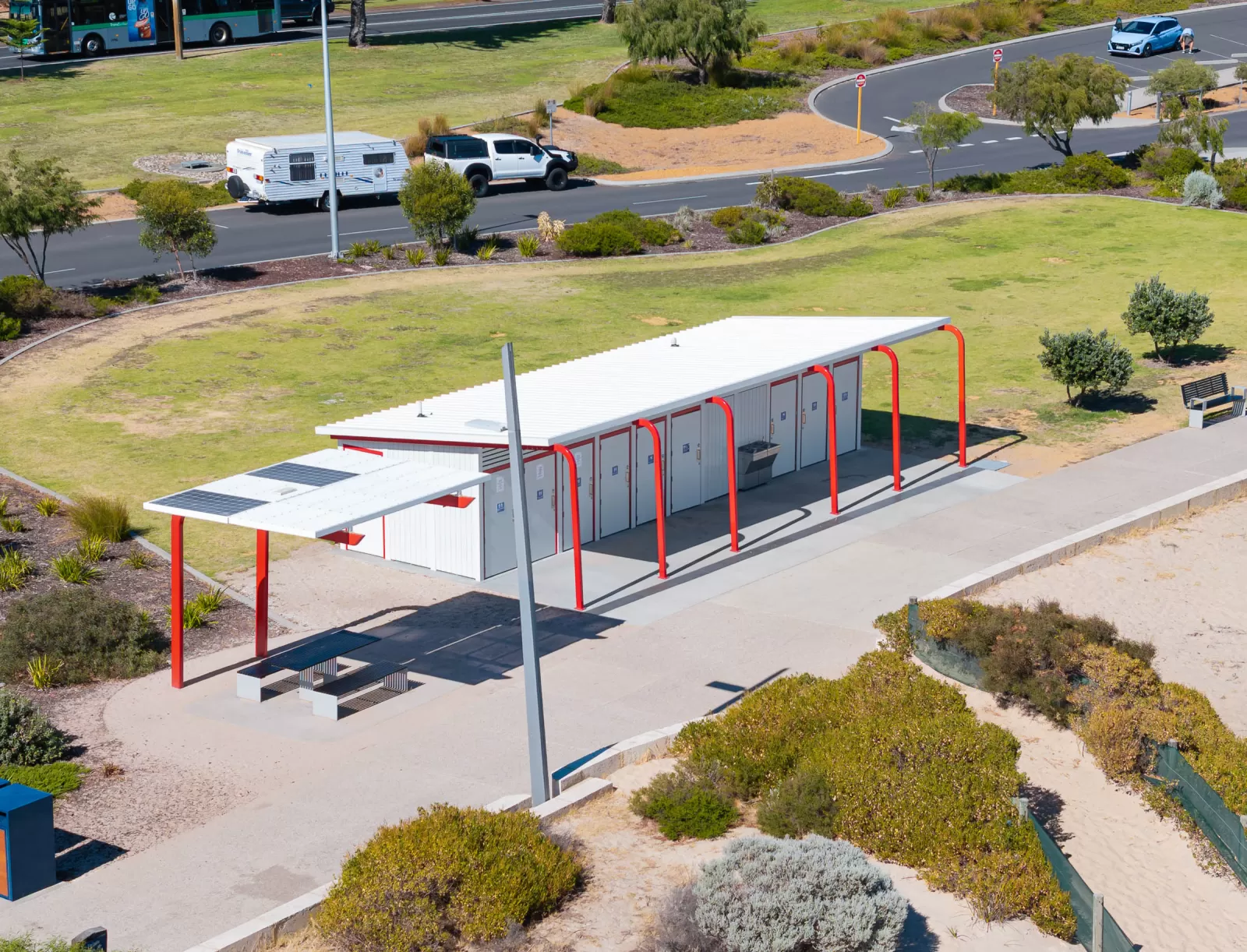
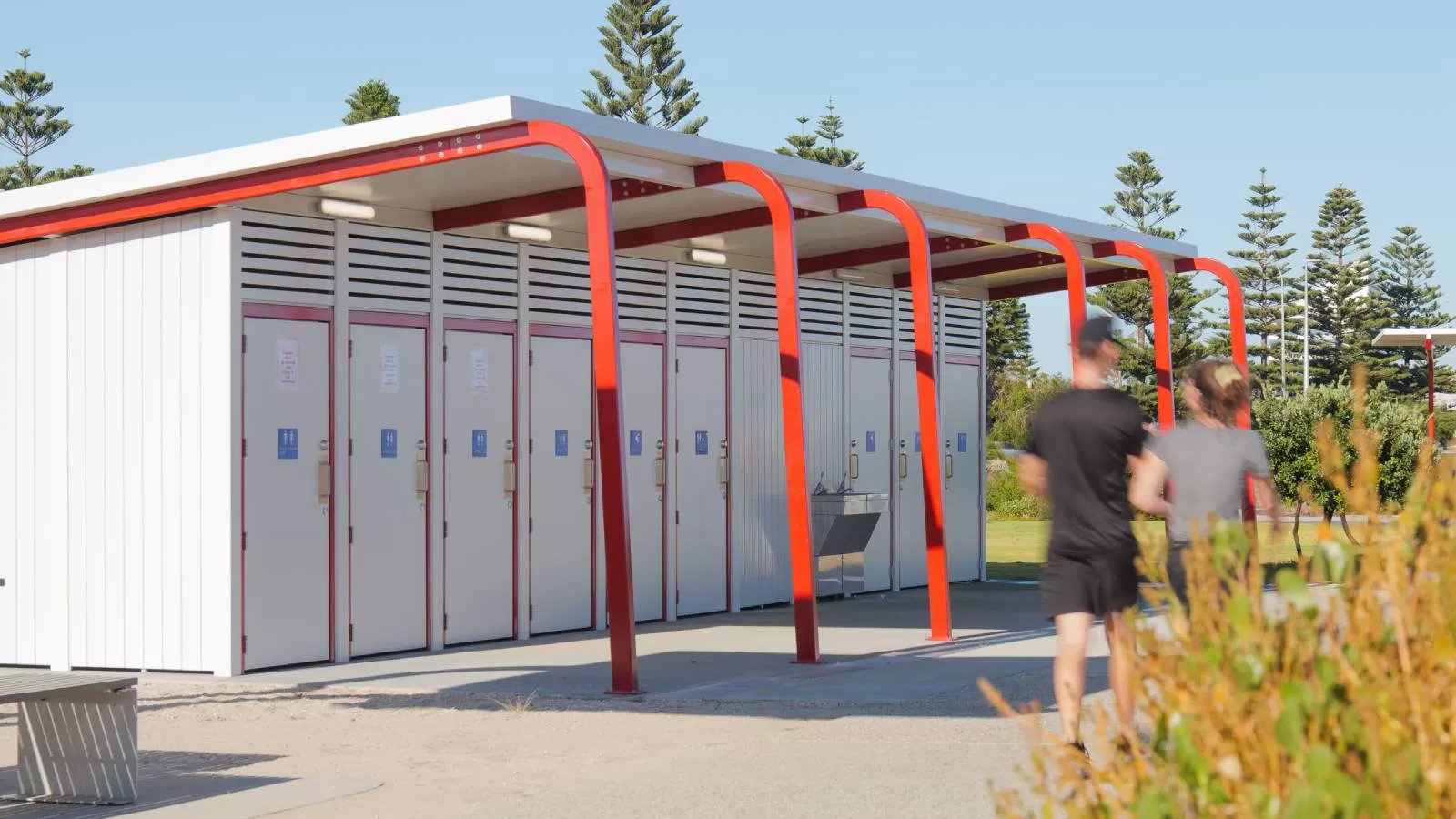
  • Facilities must complement the foreshore setting visually, not look like a generic box dropped onto the coastline.

  • Coastal facilities face intense peak-season demand from beachgoers and families, then quieter periods where vandalism risk increases.

  • Coastal buildings face wind, rain, UV, and storm surges that accelerate wear far beyond what inland facilities experience.

  • Salt-Induced Corrosion
  • Showers, Changerooms + More
  • Fitting The Coastal Setting
  • High-Traffic Seasonal Use
  • Extreme Weather Exposure

Solutions for Coastal and Riverine Amenity Buildings

There’s several smart design choices that help ensure resilience & environmental sensitivity while maximising durability and ease of maintenance.

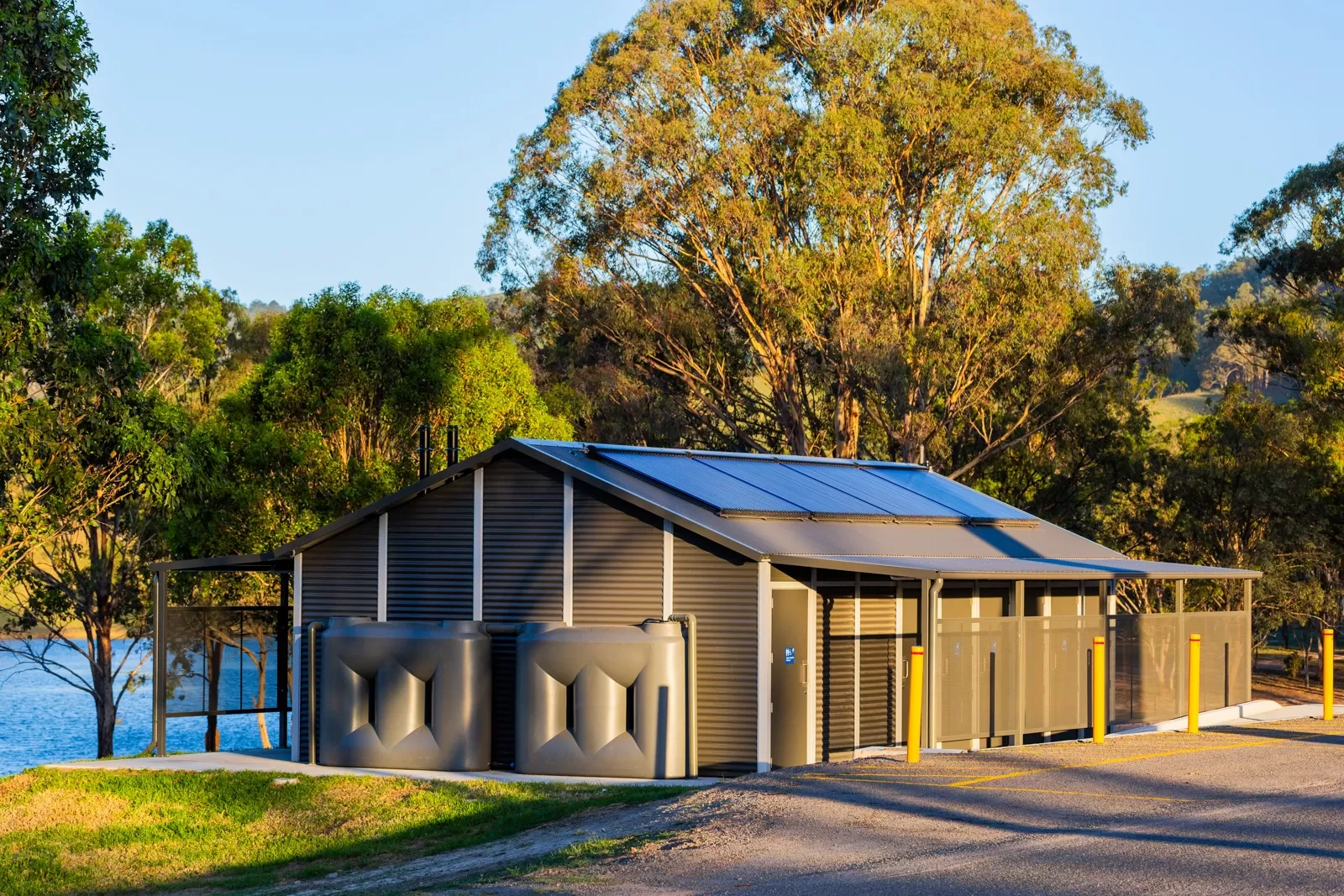
  • Hot-dip galvanised steel with two-pack epoxy, Colorbond Ultra roofing, and anodised aluminium for the best long-term coastal performance.

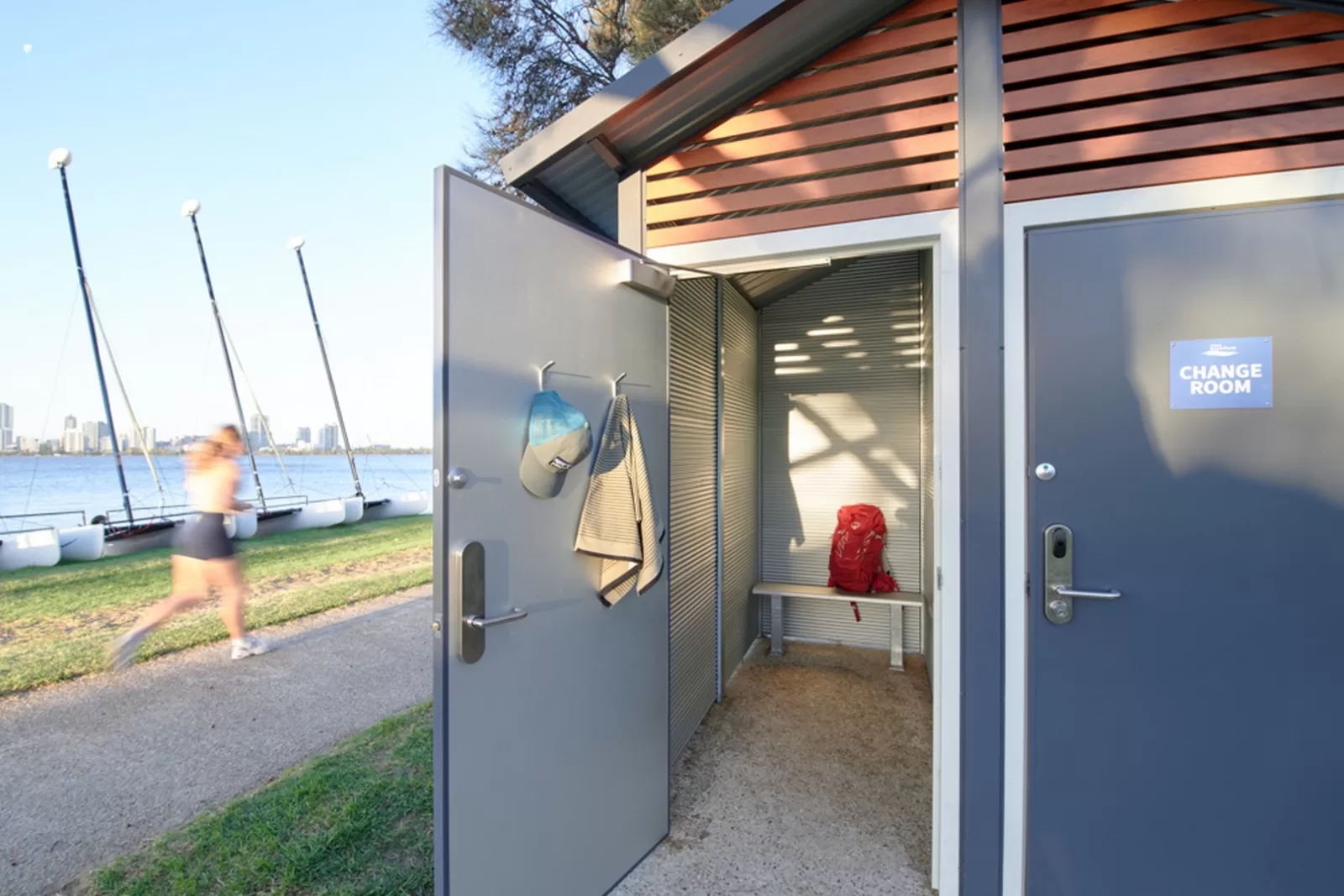
  • Integrated showers, changerooms, and universal access cubicles in a single building designed for beachside use.

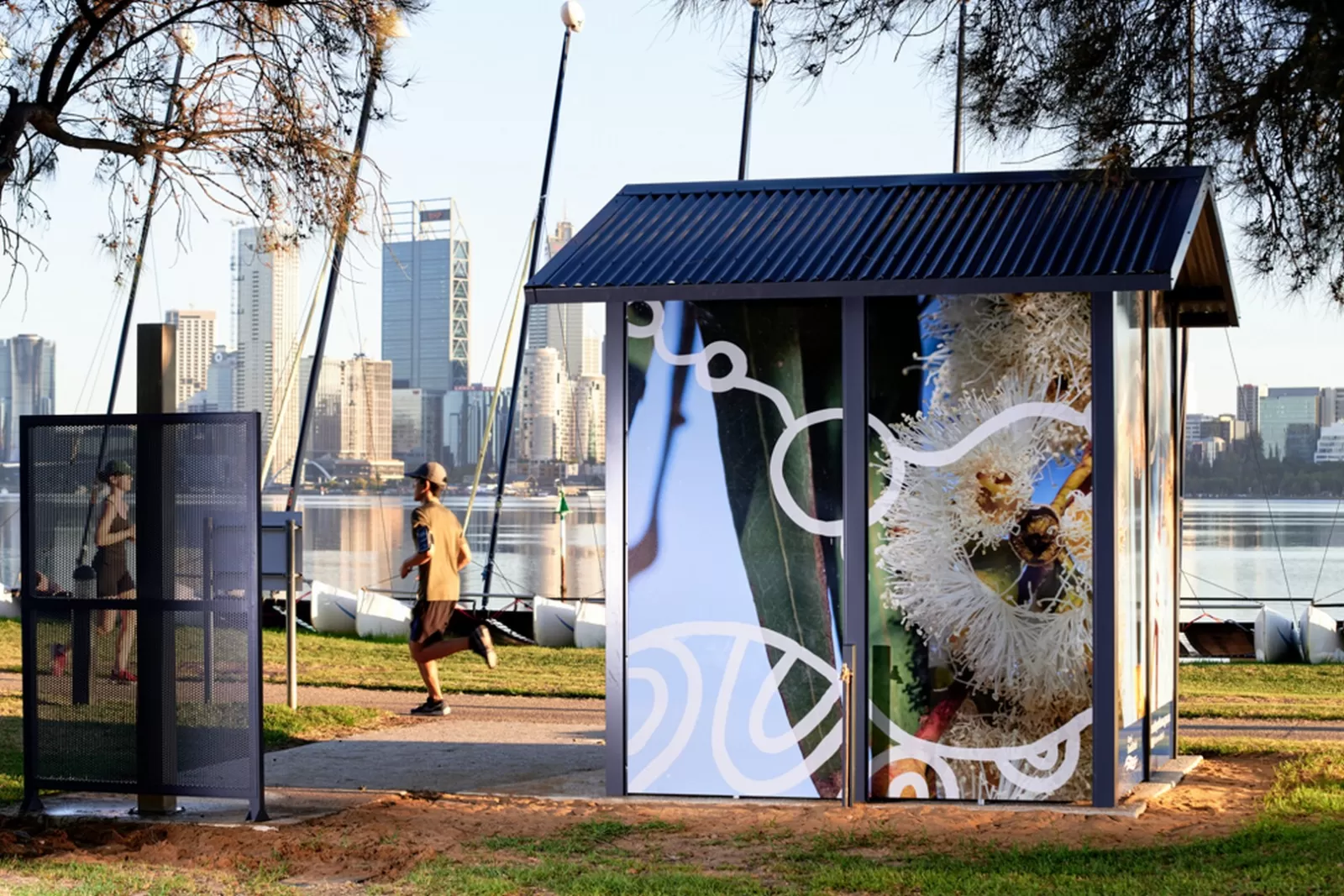
  • Driftwood timber-look aluminium, coastal colour palettes, and custom finishes that complement your beachside or riverine setting.

  • Materials and coatings specifically selected for salt spray environments, built to withstand harsh coastal conditions for decades.

  • Cyclone-rated wind resistance, stainless steel fixtures, and non-combustible materials built to handle storm and UV exposure.

  • Hot-dip galvanised steel with two-pack epoxy

    Hot-dip galvanised steel with two-pack epoxy

  • Colorbond Ultra roofing

    Colorbond Ultra roofing

  • Anodised aluminium elements throughout

    Anodised aluminium elements throughout

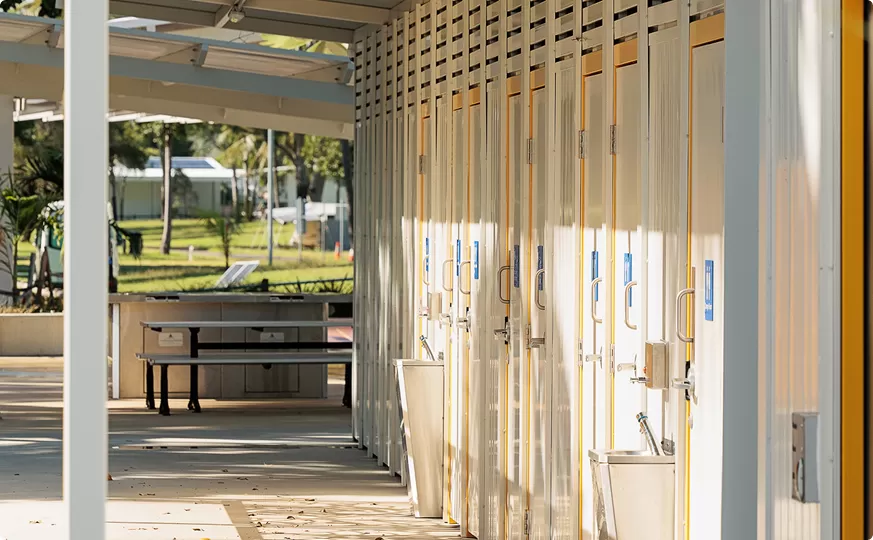
  • Showers integrated and inside

    Showers integrated and inside

  •  Changerooms

    Changerooms

  • Accessible rooms for people with high-needs

    Accessible rooms for people with high-needs

  • Driftwood timber-look aluminium suits beachside settings

    Driftwood timber-look aluminium suits beachside settings

  • Coastal colour palettes matched to your location

    Coastal colour palettes matched to your location

  • Coastal colour palettes matched to your location

    Coastal colour palettes matched to your location

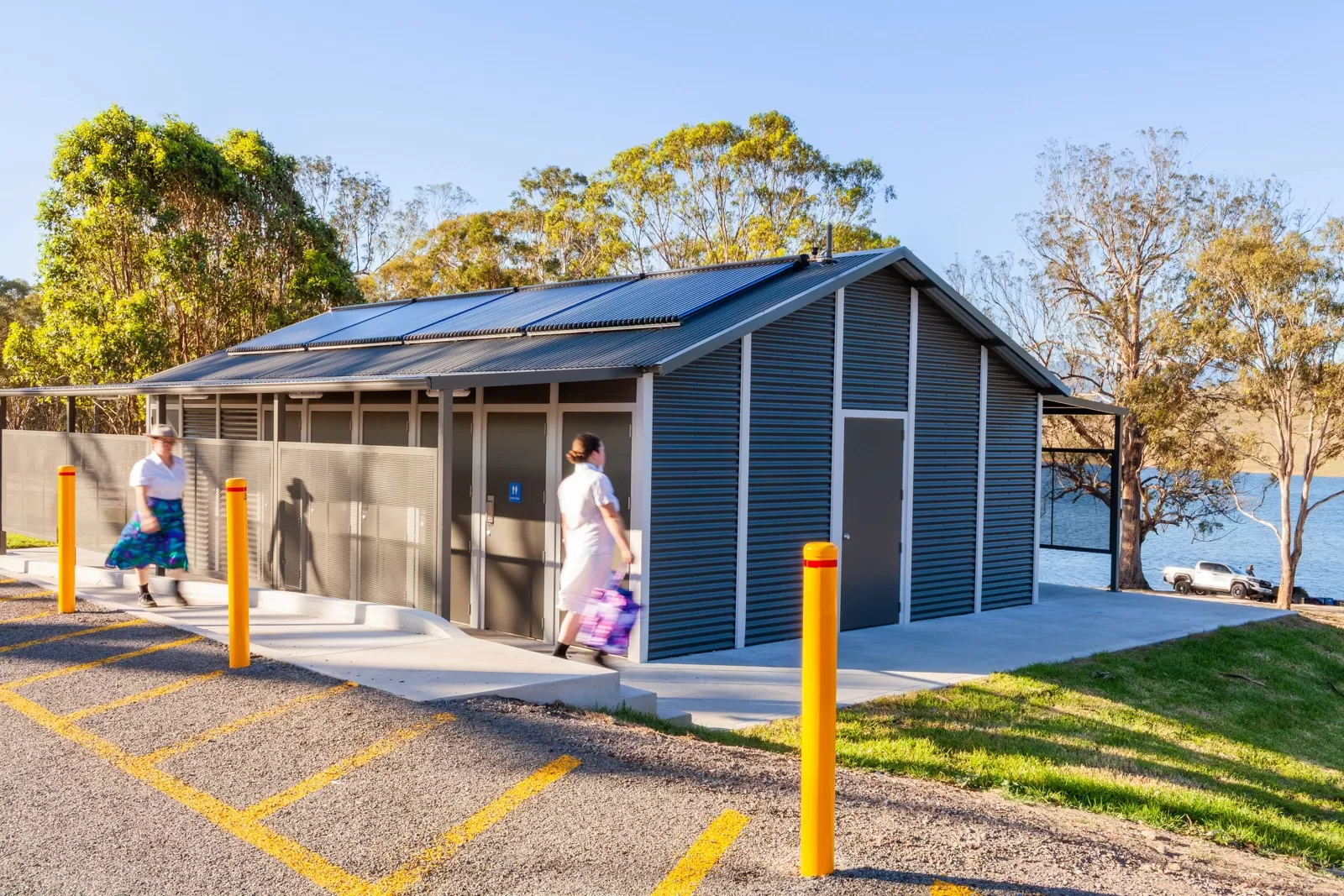
  • Custom finishes for riverine and lakeside settings

    Custom finishes for riverine and lakeside settings

  • Bright beachside colours paired with whites and greys

    Bright beachside colours paired with whites and greys

  • 20-year warranty with a 50-year designed asset life

    20-year warranty with a 50-year designed asset life

  • Hot-dip galvanised steel resists salt spray corrosion

    Hot-dip galvanised steel resists salt spray corrosion

  • Colorbond Ultra roofing built for coastal environments

    Colorbond Ultra roofing built for coastal environments

  • Anodised aluminium outperforms powder coat in salt air

    Anodised aluminium outperforms powder coat in salt air

  • Marine-grade stainless steel throughout

    Marine-grade stainless steel throughout

  • Engineered for Region D cyclonic wind ratings

    Engineered for Region D cyclonic wind ratings

  • 14-gauge cyclonic tek screws on every second rib

    14-gauge cyclonic tek screws on every second rib

  • M12 stainless steel threaded rods into concrete pad

    M12 stainless steel threaded rods into concrete pad

  • Raised wall and door panels to manage flood water ingress

    Raised wall and door panels to manage flood water ingress

  • Elevated electrics and backflow prevention devices

    Elevated electrics and backflow prevention devices

  • Non-porous materials for fast recovery after flooding

    Non-porous materials for fast recovery after flooding

“Every Modus building is engineered to AS 1428.1, NCC Volume One, and the specific environmental conditions of its site. Compliance isn't something we add at the end - it's built into the design from the first conversation.”
Jon Cook,
Senior Design Consultant & Founder

Design in Practice:
Building Exterior

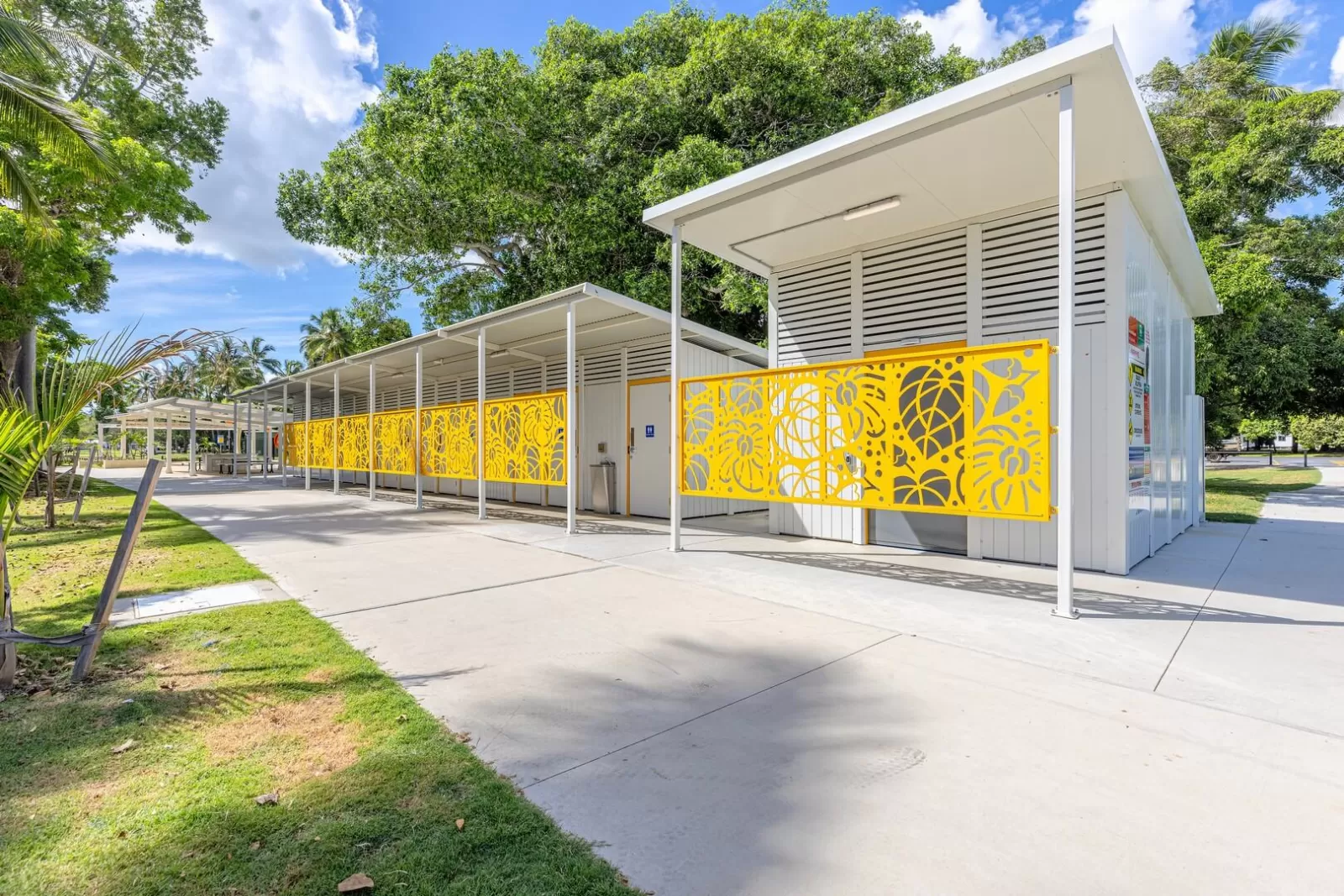
A coastal amenity building designed for Seaforth Esplanade with custom artwork panels, Colorbond Ultra roofing, and extended shelter for resilient, low-maintenance use in tropical beachside environments.

Coastal amenity building exterior
Outdoor
shower for
rinsing off
Aluminium Ventilation Louvres
Insulated Colorbond
Ultra roof
LocAl Green
aluminium
external
cladding
Gaps under walls
for ventilation,
ease of cleaning
Auto-locking doors
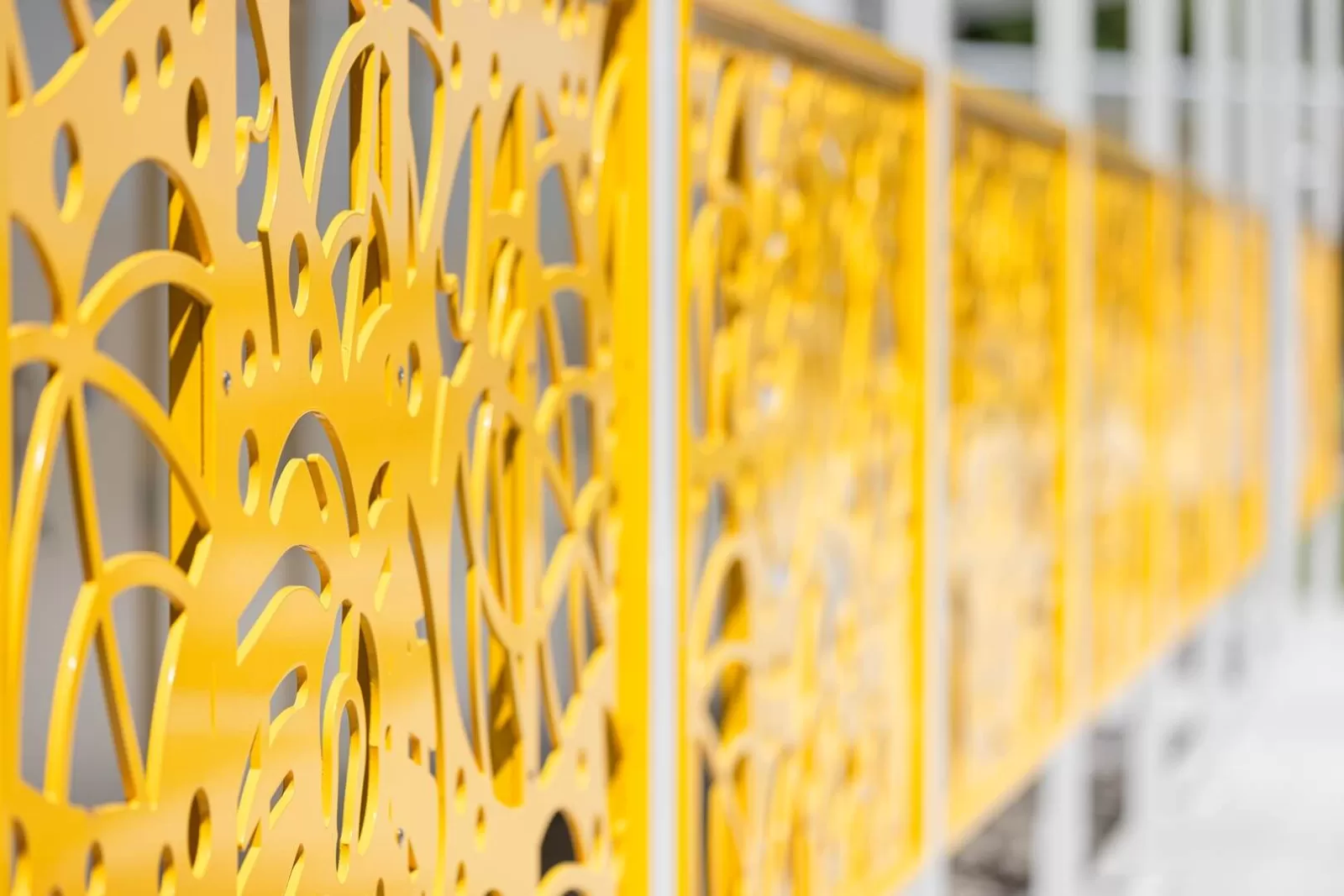
Custom laser-cut
screens to match
coastal theme

Design in Practice:
Building Interior

This interior was designed to meet the specific needs of Koombana Bay. For example, being located in front of the beach, showers were essential.

Click Circles to Learn More

Building interior plan

100% funding for Changing 
Places at inclusive beaches

The Accessible Australia Initiative is offering full funding for Changing Places at eligible beaches and rivers. This guide covers eligibility, how to apply, and how we can help with your submission.

Past Beach and River Projects

Seaforth Esplanade, QLD

  • Custom Yarra 6 and Changing Places 2 delivered through as part of a wider open space and splash park upgrade
  • LoCal aluminium cladding with epoxy-coated steel - engineered for tropical coastal conditions
  • Custom yellow laser-cut floral veranda panels to match the splash park infrastructure
  • Integrated Changing Places facility enabling beach access for people with high support needs
  • Prefab construction minimised disruption to a heavily used public foreshore area

What Our Clients Say

How our Prefab Modular System Works

Our buildings are manufactured off-site and delivered as pre-clad panels ready for a local contractor to install in 1-2 days using a simple bolt-together system. 30-50% faster than other methods.

See the Full Method
01

Erect Wall Panels

Pre-clad panels bolt into joiner channels chem-set into the concrete pad. The walls go up square, fast, and without specialist trades.

Erect Wall Panels
02

Install Roof and Frame

Pre-engineered roof purlins lift into place above the walls and bolt straight in. Verandah columns and roof sheets fit the same way.

Install Roof and Frame
03

Fit Trims and Fixtures

External trims close out the building. Internal fixtures are installed to manufacturer's instructions.

Fit Trims and Fixtures

Frequently Asked Questions

Where should a coastal public toilet building be located in relation to the water?
Coastal amenity buildings should be set back 50 to 100 metres from breaking surf to reduce direct salt spray exposure. Locating a building too close to the water, or on breakwalls and other structures designed to be submerged, significantly accelerates corrosion regardless of the materials used. Site setback is one of the most important design decisions for a coastal toilet building.
What materials are used in a Modus coastal-resilient toilet building?
Modus coastal-spec buildings use hot-dip galvanised steel framing, galvanised after welding to protect vulnerable welds, and finished with a two-pac epoxy paint system for dual-layer corrosion protection. Cladding is Colorbond Ultra steel or aluminium powdercoat, both selected for performance in saline environments. All external fixings, hinges, and hardware are Marine Grade 316 Stainless Steel. Read more about the coastal specification.
What is the Modus Coastal Colour Specification?
The Modus Coastal Colour Specification is a set of colour and finish options selected specifically for performance and longevity in coastal environments. It combines colours suited to beach and foreshore aesthetics with powder-coat finishes designed to withstand salt-laden air and UV exposure. Read more about the Coastal Colour Specification.
What type of flooring is best for coastal public toilet buildings?
Non-slip epoxy flooring rated R10 or R12 is the recommended choice for coastal toilet buildings. Brushed concrete is often specified for durability, but its textured surface traps sand and salt residue that can degrade the surface over time and hold moisture against the structure. Epoxy provides a smooth, easily cleaned finish that can be hosed down to remove salt deposits before they cause damage. Coastal buildings should also include dedicated high-pressure wash-down points for walls and floors.
How long do toilet buildings last in coastal environments?
A properly specified coastal toilet building has an expected lifespan of 30 years or more, compared to roughly 15 years for a standard specification used at a coastal site. Salt-laden air, humidity, sand, and intense UV will degrade an under-specified building within months, while a coastal-resilient spec with hot-dip galvanised steel, two-pac epoxy, 316 stainless fixings, and epoxy flooring withstands the conditions long-term. Read more about the 5 critical mistakes when designing coastal toilet buildings.
Are Modus coastal toilet buildings cyclone-resilient?
Yes. Modus buildings can be engineered for Australia's most severe wind regions, including Region D, which covers parts of tropical northern Queensland, the Northern Territory, and Western Australia. In cyclone regions, structural engineering is certified to site-specific wind pressures of up to 317 km/h, with upgraded roof fixings, M12 chemically anchored base connections, and aluminium ventilation louvres that act as pressure relief during extreme wind events. A Modus building at De Grey River, WA, withstood Cyclone Zelia in 2025 with zero damage. Read more about flood and cyclone resilient toilet buildings.

Book a Free Consultation
with Project Consultant
Tafara Matubede

It's free, it's virtual, and it'll save you months of back-and-forth. One session with Tafara and you'll have everything you need to move your project forward.

In one session, you'll come away with:

  • A concept design tailored to your campus
  • 3D renders ready for school board or council approval
  • AS 1428.1 compliance confirmed upfront
  • Clear scope and transparent pricing - no surprises later

Any questions?

Whether you're early in the planning stage or ready to spec a building, our we are happy to help.

Whether you're early in the planning stage or ready to spec a building, our we are happy to help.