Toilet Buildings for Roadside Rest Stops
Since 1999 20 year warranty Australian made and owned

Toilet Buildings for Roadside Rest Stops

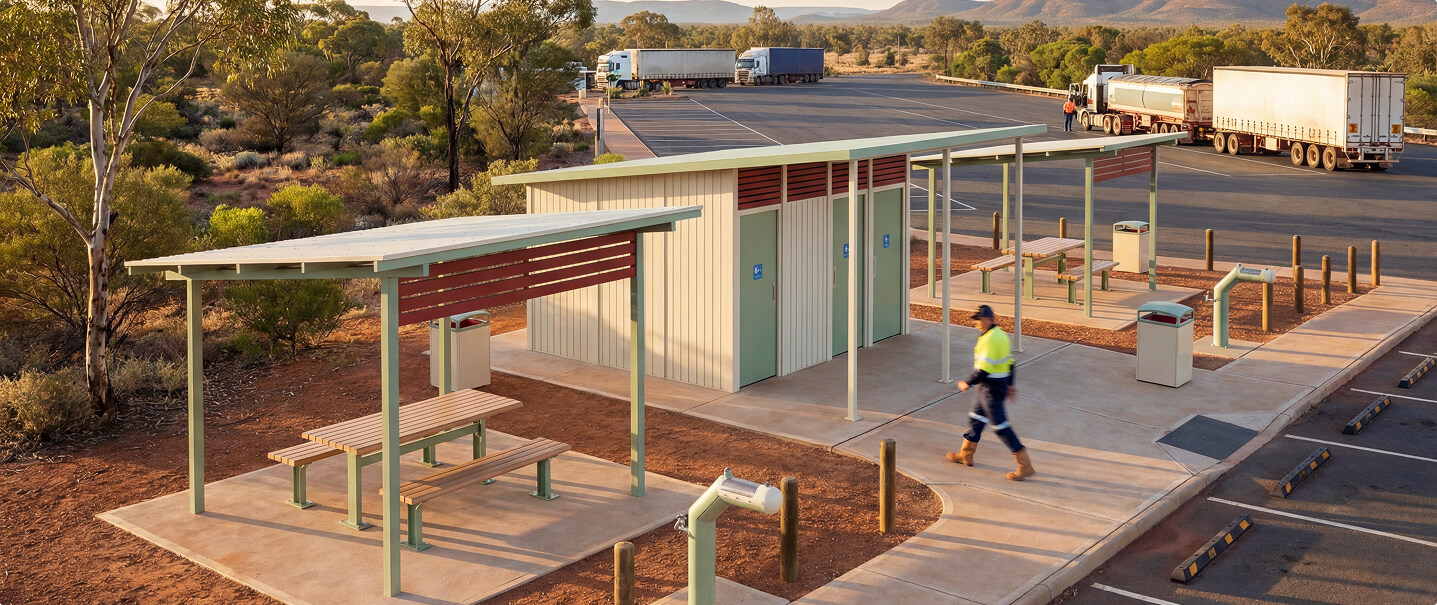
Durable, off-grid prefab toilet buildings engineered for remote roadside locations. Vandal-resistant finishes, solar power, rainwater harvesting, and on-site waste systems - delivered site-ready, no mains required.

Dubbo Fulton Hogan Northern Territory Midura ACT Greater Geraldton NSW MidCoast Main Roads Toowoomba Department Port Augusta Port Pirie Victoria Wangaratta

Roadside rest area toilet facilities bring unique design considerations

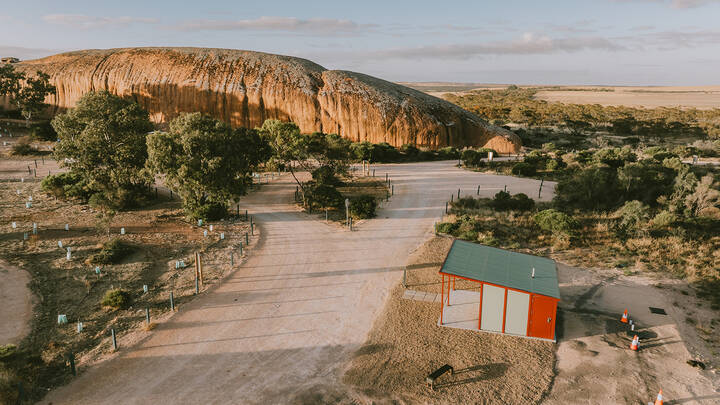
Remote roadside rest stops present unique design challenges to durability and operation. These require careful attention from engineers and architects to ensure long-term facility functionality and maintain the safety of users.

  • Isolated sites, by their nature, do not have passive surveillance. This means there are greater opportunities for people to vandalise the facility and indulge in anti-social behaviour.

  • Remote Australia regularly means harsh weather, including intense heat, dust, and severe storms. This demands specific material choices to ensure long-term structural integrity.

  • Maintenance visits to remote areas are significantly more expensive; the way to control this cost is robust, low-maintenance finishes and standardised components.

  • Remote facilities usually lack access to town sewer, power, and water. This requires the design and approval of a fully self-sufficient infrastructure even before a single component is delivered.

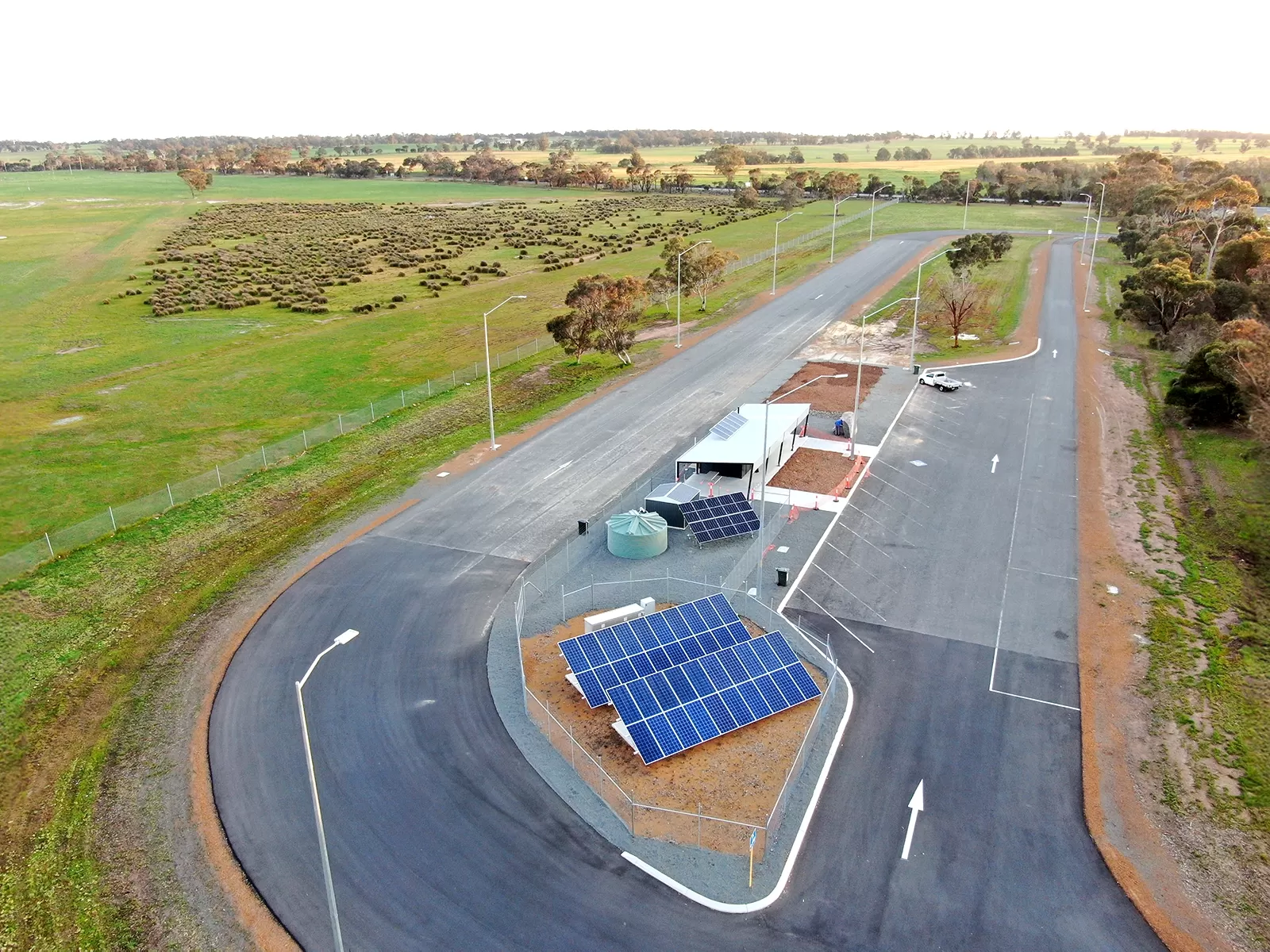
  • Many key locations for roadside rest stops are effectively off the grid. This means engineers must prioritise integrated, self-sufficient solutions for solar power, rainwater harvesting, and septic waste management.

  • Vandalism Resistance
  • Environmental Resilience
  • Asset Life Costs
  • Remote Site Locations
  • Self-Sufficient Infrastructure

Design Solutions for a
Successful Project

To maximise durability and user experience in remote roadside locations, we recommend prioritising four crucial factors in any design solution.

  • Modus buildings use tamper-proof fixtures, have anti-graffiti surfaces, and are specified with robust stainless steel fittings. Facilities are inherently designed to withstand repeated misuse with minimal intervention.

  • Harsh UV, coastal salt, extreme heat, strong winds and heavy rainfall require materials and finishes that hold up without constant attention. We design Modus toilet amenities to endure the worst the local climates — even cyclonic conditions.

  • Remote locations make every maintenance visit expensive. Modus buildings are designed to minimise how often you need to go back and to make it fast and simple when you do.

  • From solar power and rainwater harvesting to compliant on-site waste systems, Modus buildings can be fully configured for sites with no access to town sewer, power, or water.

  • CPTED principles designed in

    CPTED principles designed in

  • Strong ribbed surface for internal walls

    Strong ribbed surface for internal walls

  • Easy-to-replace cladding if major damage

    Easy-to-replace cladding if major damage

  • Steel-clad timer controlled doors

    Steel-clad timer controlled doors

  • Easy-to-clean durable stainless steel fixtures

    Easy-to-clean durable stainless steel fixtures

Our Approach to Vandalism
  • Coastal resilient and finishes

    Coastal resilient and finishes

  • Hot dip galvanized framing, finished to colour

    Hot dip galvanized framing, finished to colour

  • Proven cyclone, flood and bushfire resilient

    Proven cyclone, flood and bushfire resilient

  • Wood-look LoCAl aluminium as timber alternative

    Wood-look LoCAl aluminium as timber alternative

Our Approach to Durability
  • Hose-down finishes, no products needed

    Hose-down finishes, no products needed

  • Replaceable Cladding - Swap damaged panels in minutes

    Replaceable Cladding - Swap damaged panels in minutes

  • Gaps under walls aids easy washdown

    Gaps under walls aids easy washdown

  • Durable Powdercoat aluminium finishes

    Durable Powdercoat aluminium finishes

  • Hidden fixings resist corrosion and tampering

    Hidden fixings resist corrosion and tampering

Our Approach to Durability
  • We offer all off-grid options, tailored to your site

    We offer all off-grid options, tailored to your site

“Every Modus building is engineered to AS 1428.1, NCC Volume One, and the specific environmental conditions of its site. Compliance isn't something we add at the end - it's built into the design from the first conversation.”
Jon Cook,
Senior Design Consultant & Founder

What kind of waste system for off-grid sites?

When town sewerage is unavailable, you must implement a compliant on-site effluent solution. Choosing the right system is a fit-for-purpose decision that depends on whether you have a reliable water source, if soil discharge is permitted by local regulations, as well as your team’s long-term maintenance capacity.

We suggest that the best way to determine the most viable option for your project is to ask the following questions:

  1. Does the site have a town sewer? If it does, use a standard sewer connection. If not, you will have to examine alternatives.
  2. Is there a reliable water source? If there is no reliable water source, we would suggest Long Drop (pit latrine) or Composting toilet.
  3. Is discharge into the soil permitted? If this is not permitted, we would recommend a holding tank (pump-out only). But if it is permitted, use a Septic Tank (or an ATU where the soil conditions are difficult).

System Type Best For Key Requirements Maintenance Needs
Septic System Moderate usage and standard site conditions Needs space for a leach field and suitable soil for drainage Requires periodic pumping every 3–5 years
Aerobic Treatment Unit (ATU) Challenging conditions like dense clay or high groundwater Requires a constant electricity supply to run aerators and pumps Demands meticulous annual inspections and sludge removal
Holding Tank Sensitive environments (e.g., National Parks) where no soil discharge is permitted Must have reliable access for waste tankers to haul effluent away Frequent pump-outs; level sensors are recommended to prevent overflow
Long-Drop (Pit Latrine) Very remote locations with no water or power Sited directly under the building; requires engineered certification Low mechanical maintenance, but needs proper ventilation to manage odours.
Composting Toilet Environmentally focused sites with minimal water access Requires a disciplined team willing to handle waste/material balancing High operational input; requires regular raking and carbon additions

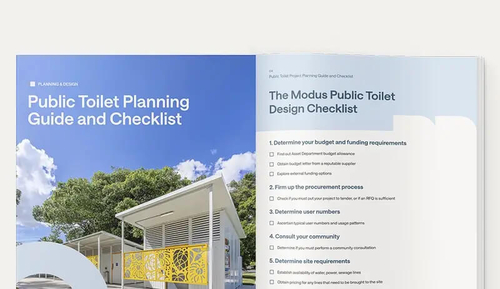
Secure $5M in Rest Area Funding - Closes 30 April

The HVRA grant funds new and upgraded rest areas across Australia to improve road safety for heavy vehicle drivers. Applications close 30 April. The department rarely accepts late evidence, so download the guide now to confirm your eligibility and start building your submission.

Past Roadside Projects

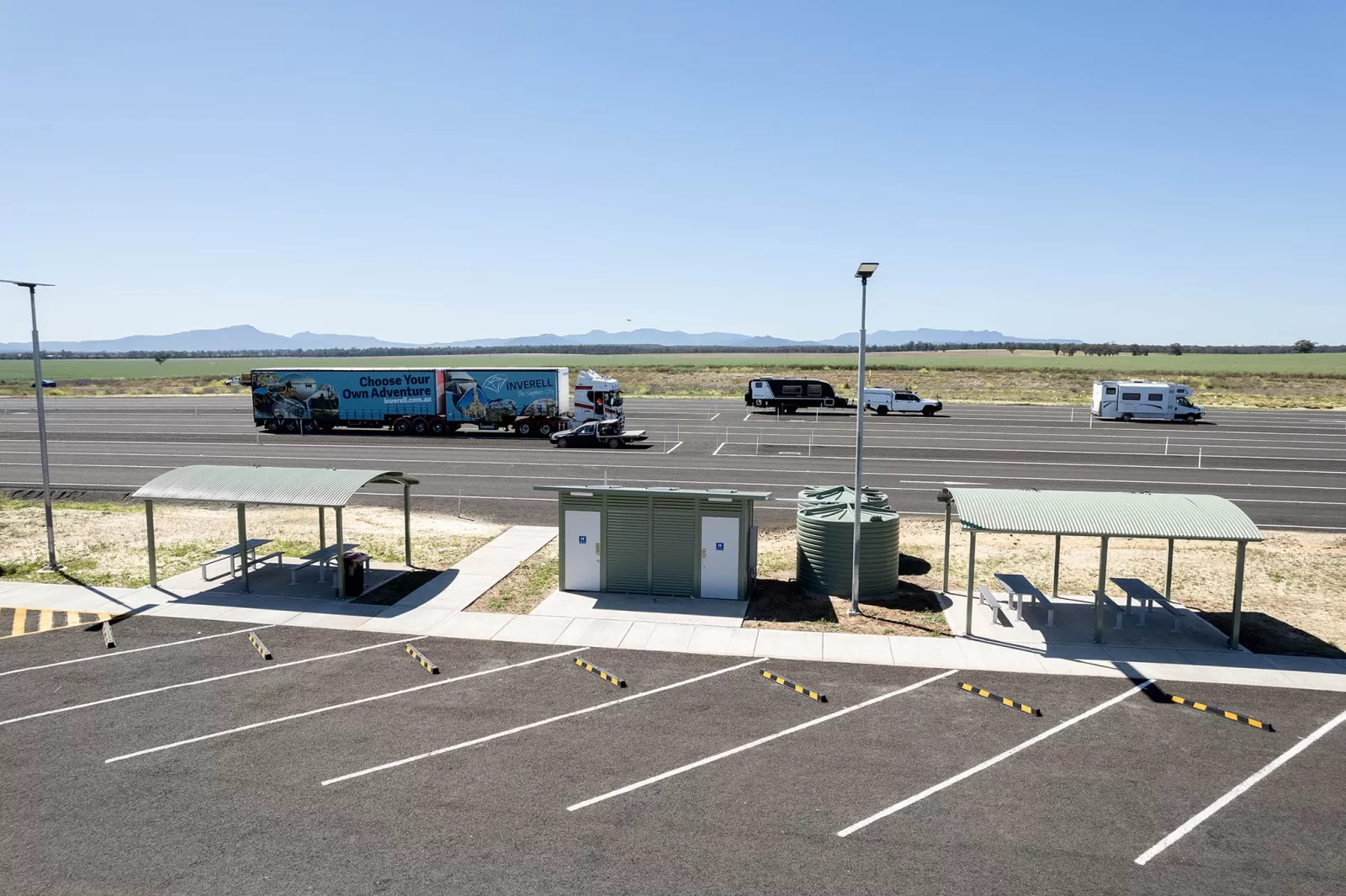
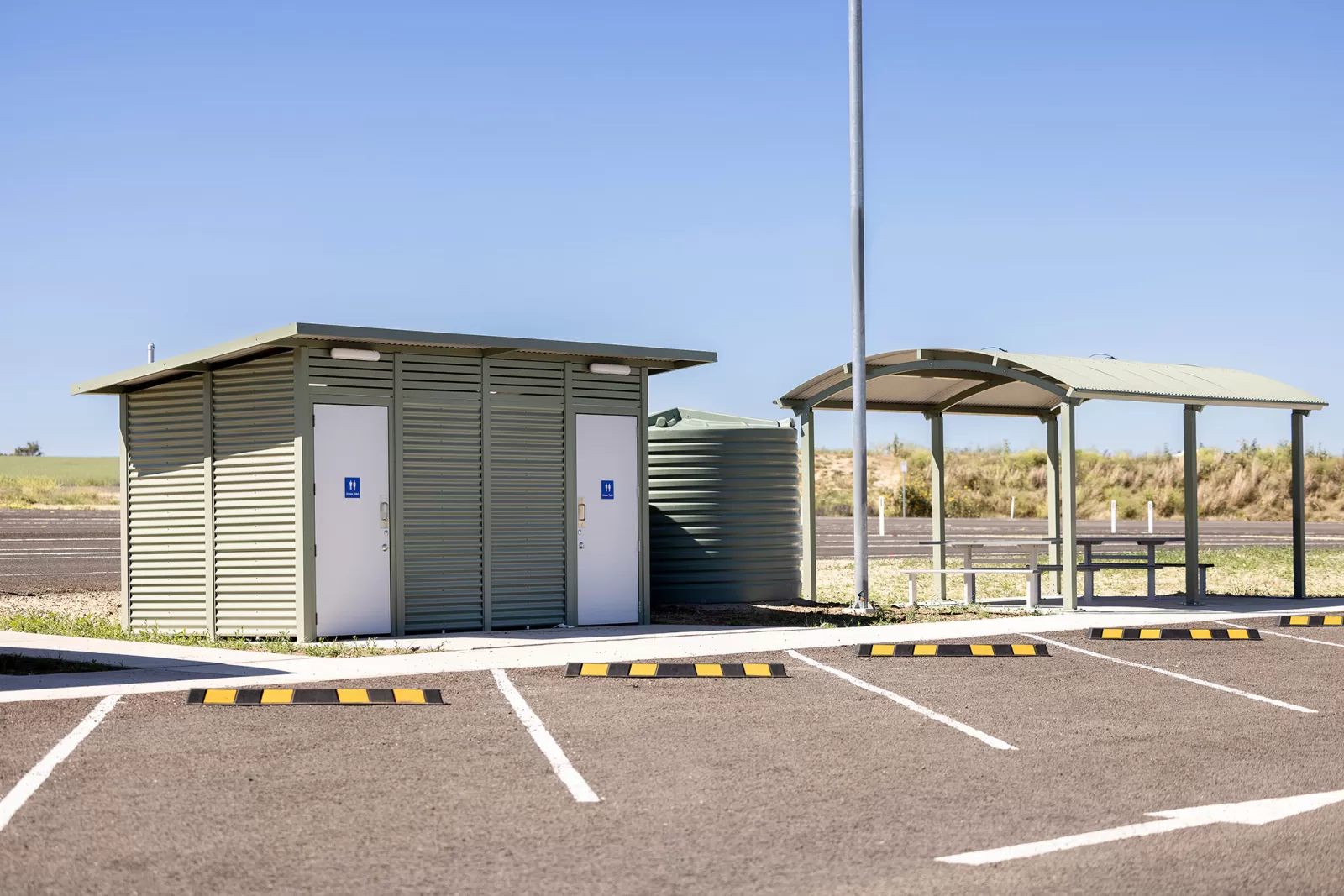
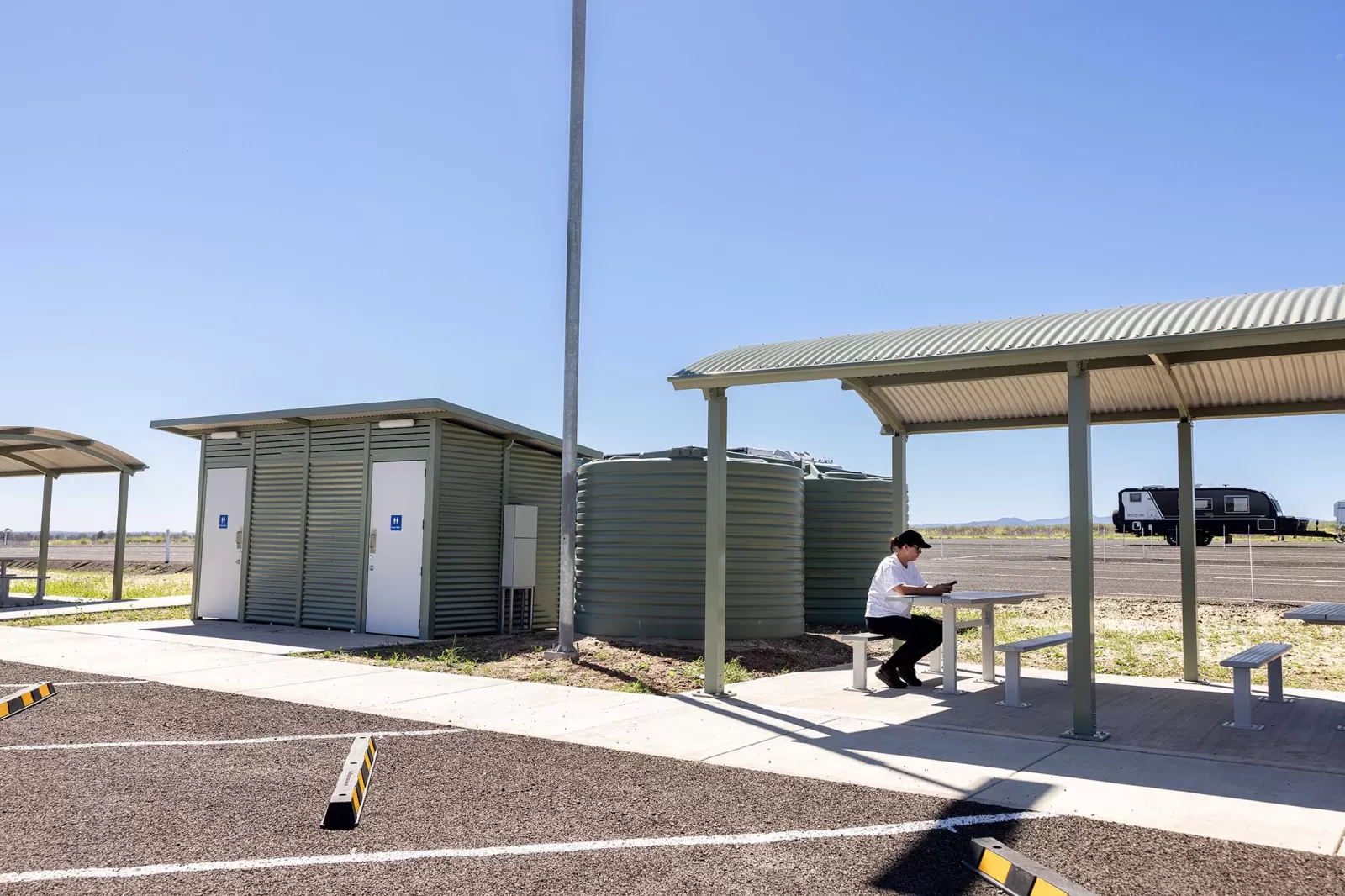
Newell Highway Rest Stop, NSW

  • Yarra 2 toilet building with complementary seaside park shelters and accessible table settings in pale eucalyptus
  • Off-grid solar power, holding tank septic system, and 8,000-litre rainwater tanks
  • Vandal-resistant mini-orb cladding, stainless steel fixtures, and solid core steel-clad doors
  • Two Universal Access Toilets with baby change facilities for families and truck drivers
  • Prefabricated modular construction for fast installation at a remote Newell Highway location
Newell Highway Rest Stop

Newell Highway Rest Stop, NSW

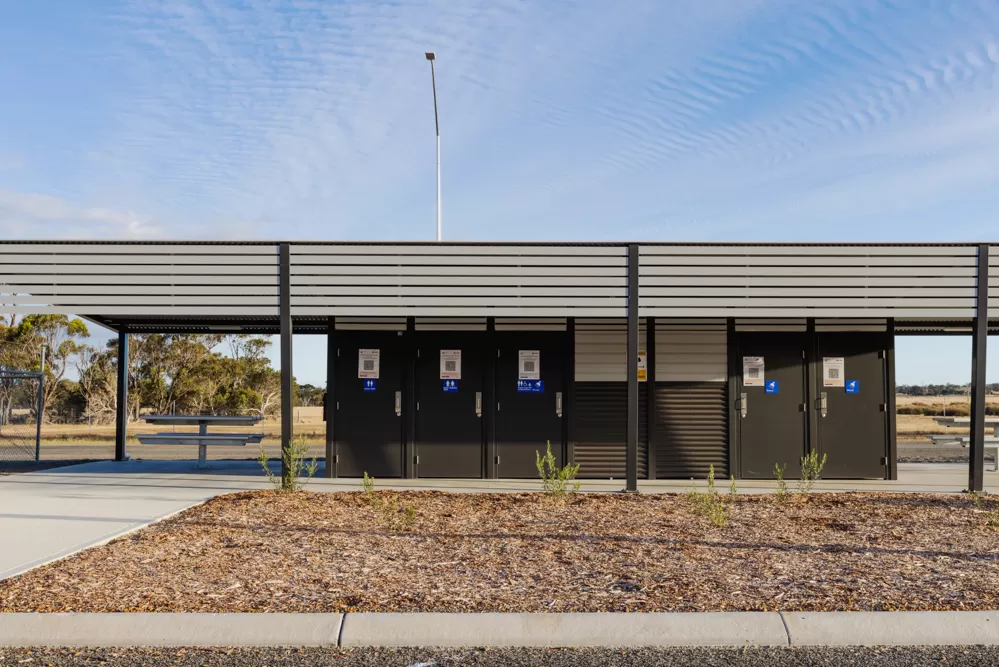
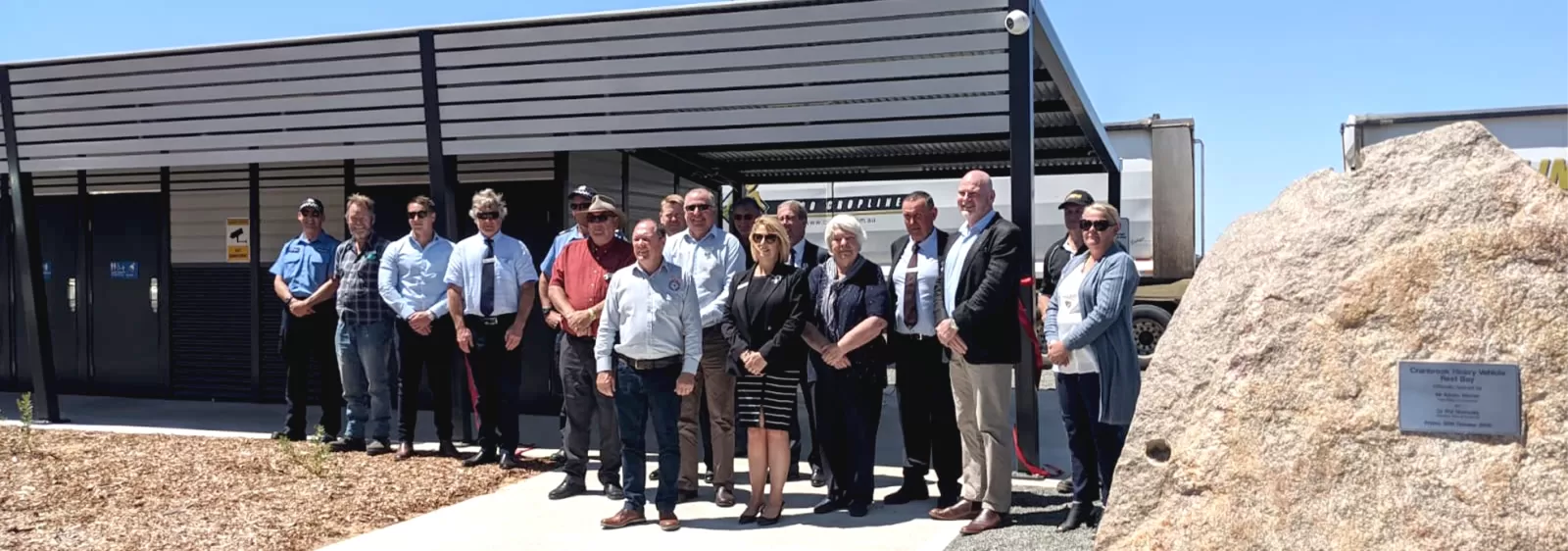
Cranbrook Truck Bay Rest Stop

Cranbrook Truck Bay Rest Stop, WA

Ouse

Ouse, TAS

Greens Beach

Greens Beach, TAS

Complete Roadside
Rest Area Solution

Shelter + Furniture options can supplied with the selected toilet building. Click button to enquire.

Yarra

  • Skillion roof
  • Ideal for pairing with separate skillion shelters at rest areas
  • Very versatile in style, can be applied to most applications
Yarra

Atlantis

  • Integrated shelter to building with table settings and area to rest
  • Can be customised to add shelters on either side
Atlantis

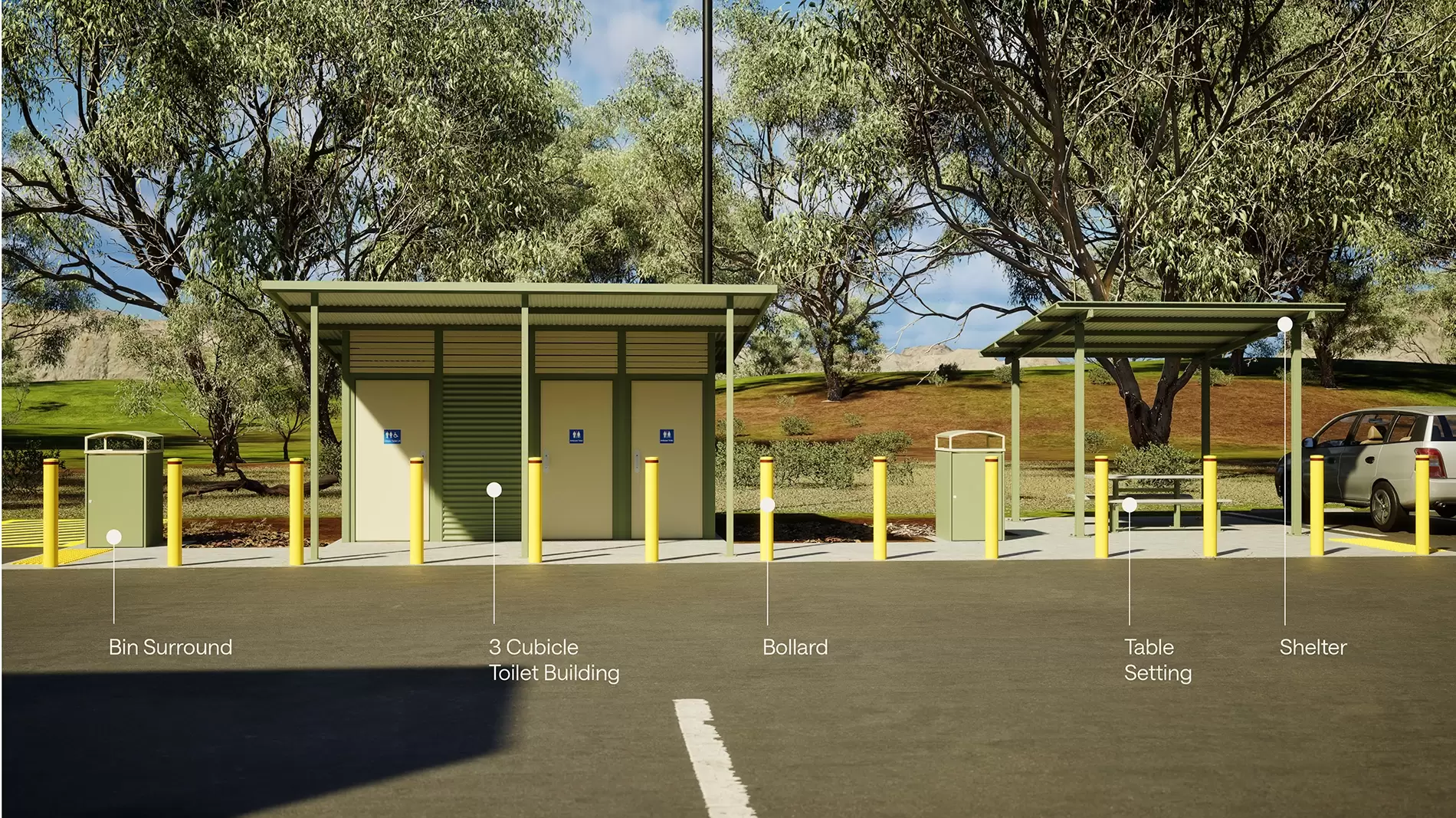
Skillion Shelter

Skillion Shelter

Accessible Table Setting

Accessible Table Setting

Bin Surround

Bin Surround

Accessible Drink Fountain

Accessible Drink Fountain

Frequently Asked Questions

What is a roadside rest area in Australia?
A roadside rest area is a designated stopping place along a highway or major road, provided to give drivers and passengers a safe location to take a break. Rest areas are typically funded and managed by state road authorities, often with a focus on managing heavy vehicle driver fatigue and improving road safety. They commonly include parking, signage, shelter, picnic facilities, and amenity buildings with toilets.
What is an off-grid toilet building, and what does it include?
An off-grid toilet building operates without connections to mains power, water, or sewerage, making permanent facilities possible at remote roadside rest areas where utilities are unavailable. A typical off-grid configuration combines solar power for lighting and ventilation, rainwater tanks for hand-washing and flushing, and an on-site waste system suited to the site's soil and access conditions. Modus has delivered off-grid roadside buildings on the Newell Highway in NSW, at Cranbrook in WA, and at remote sites across the Northern Territory and South Australia.
What waste system options are available for off-grid roadside sites?
Five waste system types are commonly used for off-grid public toilet buildings. Septic systems suit sites with moderate use and soil suitable for soakage, with pump-outs every 3 to 5 years. Aerobic Treatment Units (ATUs) handle challenging soils and require constant power and annual inspections. Holding tanks are used where soil discharge is not permitted, requiring regular tanker pump-outs. Long-drop (pit latrine) systems suit very remote sites with no water or power. Composting toilets suit environmentally focused sites with minimal water access. Choosing the right system depends on whether the site has a reliable water source, whether soil discharge is permitted, and the available maintenance capacity. Learn more about sewage holding tanks.
What features make a toilet building suitable for heavy vehicle rest stops?
Heavy vehicle rest stops serve long-distance truck drivers managing fatigue, so amenity buildings need to be open-access, durable under high turnover, and easy to enter from large vehicle parking. Modus rest area buildings include Universal Access toilets with baby change facilities for both drivers and family travellers, anti-vandal finishes that withstand 24-hour use, and layouts that suit state road authority fatigue management guidelines. Buildings are typically located adjacent to heavy vehicle parking to minimise the walking distance from the truck cab.
What design features minimise maintenance costs at remote roadside toilet buildings?
Maintenance visits to remote roadside locations are expensive due to distance, travel time, and limited contractor availability. Modus reduces this cost through tamper-proof fixtures, replaceable cladding panels that swap out in minutes rather than requiring a rebuild, gaps under walls for fast hose-down cleaning, durable powder-coat aluminium and hot-dip galvanised steel finishes that don't need recoating, and hidden fixings that resist both corrosion and deliberate tampering. The cumulative effect is fewer maintenance visits and lower per-visit labour time. Read more about durability.

Planning a Roadside Rest Stops Project?
Let's Talk.

Speak directly to our
Project Consultant Tafara

To discover more or discuss your upcoming project at your convenience, arrange a meeting with our Project Consultant Tafara.

Articles

Things That Can Go Wrong in Toilet Building Projects (and How to Avoid Them) project in

Things That Can Go Wrong in Toilet Building Projects (and How to Avoid Them)

What the NSW Inquiry into Public Toilets Means for Councils project in

What the NSW Inquiry into Public Toilets Means for Councils