The automated public toilet: modern convenience, or increasingly costly illusion of self cleaning toilets?

For most local government applications, automated public toilets (APTs) rarely deliver a positive return on investment compared to well-designed traditional facilities.
The self cleaning toilets unit is attractive on paper. The reality often involves frequent technical failures, high ongoing expenses and a user experience that many ratepayers find stressful. “Traditional” (non-automated) toilet facilities made to modern design standards using robust materials still offer superior reliability and lower whole-of-life costs.
Here's where APTs fail to stack up.
- High whole-of-life costs: The initial purchase price is high, and proprietary maintenance contracts significantly inflate long-term expense.
- Frequent downtime: Complex sensors, sliding doors and wash cycles are prone to failure, leaving the facility regularly unusable.
- Poor user experience: Wet floors from cleaning cycles and strict time limits deter elderly users and families.
- Maintenance restrictions: Repairs often require specialised and costly technicians rather than local council trades.
Is the self-cleaning toilet a cost-saving mirage for councils?
The promise of fully self cleaning public toilet facilities is in some ways just like the promise of self-driving cars: overhyped and always just out of reach. It’s a huge selling point, and extremely appealing to councils looking to contain or even reduce maintenance costs.
The upfront cost is higher (typically 300% higher than a traditional toilet facility), but the operating costs will be lower. That’s the story.
Managers consequently seize the opportunity to lighten cleaning schedules. They assume that self-cleaning technology is, itself, sufficient.
Manual cleaning is performed less regularly (or sometimes not at all — they only have people to restock consumables such as toilet paper, or empty sharps) and the workers who performed those duties are made redundant.
Do ratepayers actually like and want full automation?
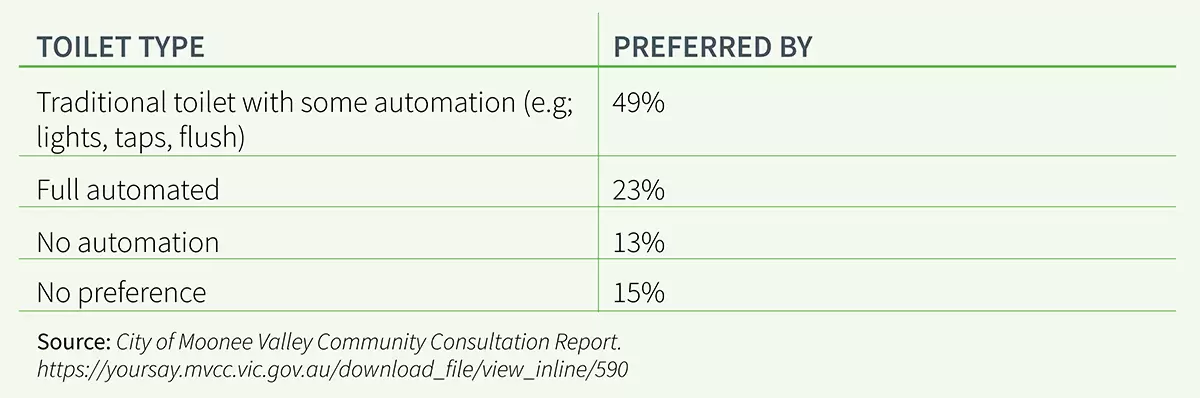
The on-the-ground experience suggests otherwise. The City of Moonee Valley council in Victoria recently conducted an extensive ratepayers survey about their preferred level of automation in public toilets and some of the comments were telling.
One said in response:
“I hate automated toilets. They smell, are wet, and are very uninviting spaces. I avoid using them as much as possible.”
Another said: “They are disgusting, they often smell and are wet inside from the automatic cleaning function.”
Asked about their preferred level of automation for public toilets, 62% of the 450-plus respondents stated that they preferred a traditional toilet with low automation levels, or no automation at all.
User-friendly and inclusive? Or intimidating and scary?
Fully automatic flush toilets are also touted as a panacea for people with disabilities or mobility issues.
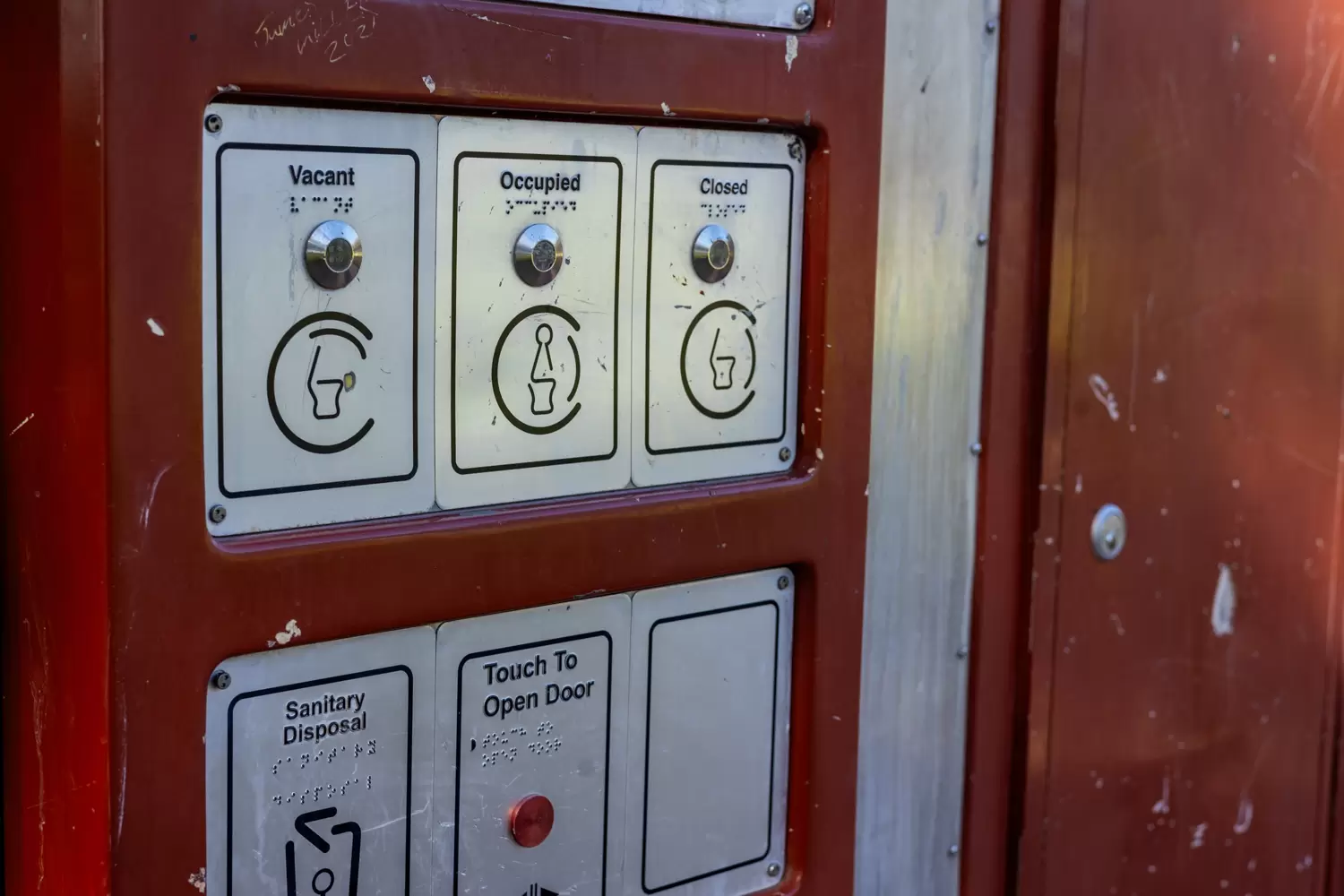
The reality is more nuanced. While automatic flushing features can be helpful for some, activation mechanisms that rely on touch sensors or infrared detection can be challenging for individuals with certain disabilities or dexterity limitations.
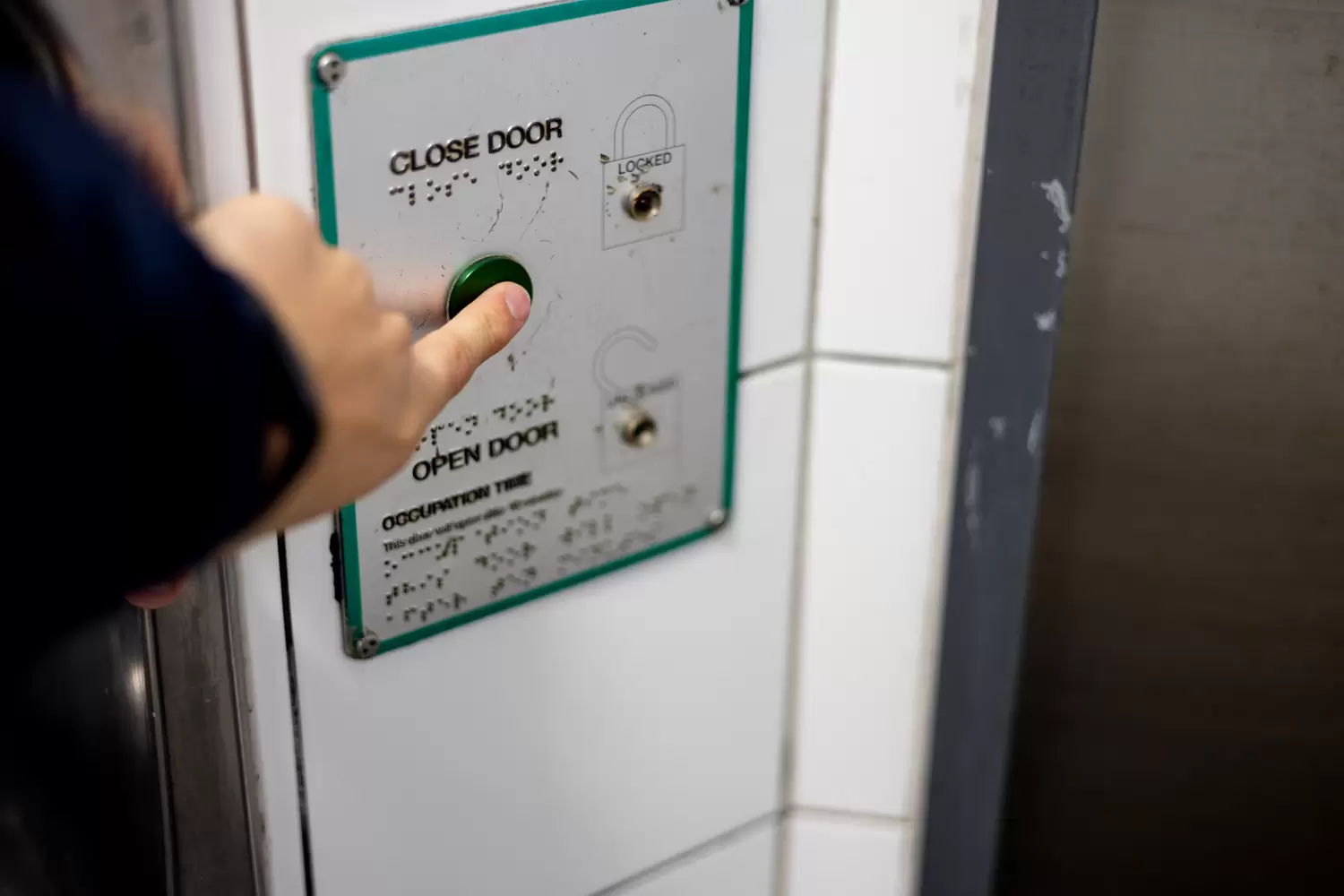
This is exacerbated by inbuilt features such as automated door locking and unlocking that is typically set to a 10-minute timer.
Elderly people are sometimes unsure and intimidated by new technology. People who suffer from IBS or other medical issues can struggle. Parents with kids can have a tough time. And women may feel vulnerable and thus disincentivised to use them.
One person commented on The City of Moonee Valley survey:
“Please get rid of the self-locking toilets, they are not suitable for kids.” Another wrote: “…the automated loos at Queens Park are terrible, I don't feel safe in them with doors not always securing, popping open, with medical issues I often spend time in there and have had doors open.”
And another related an awkward story involving their 3yo:
“I really dislike the toilets with doors that open automatically.
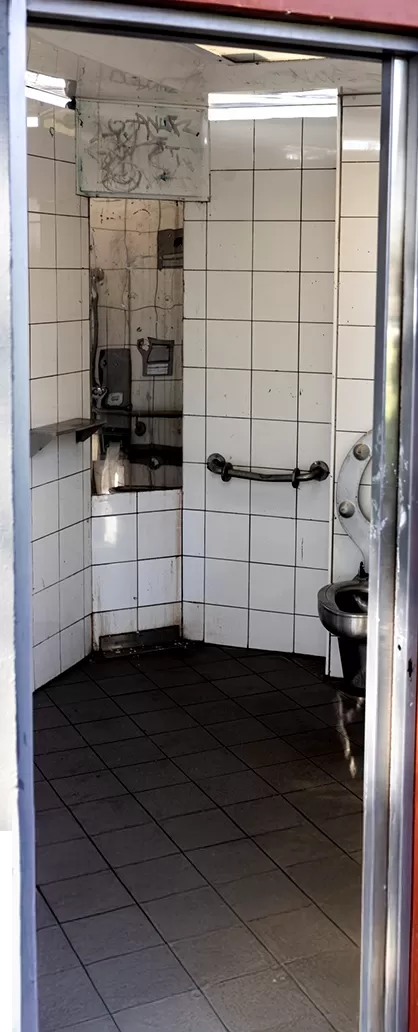
Wet or damp floors are not only unwelcoming, they amplify odours and enable germs to breed. They’re colder in winter, and more humid and uncomfortable in summer.
Self-cleaning toilets, while flushing with each use, are not subject to the thorough inspection and manual cleaning required to maintain hygiene. Combined with low-volume flushing, this creates common situations where people’s mess can be accidentally left behind, or they deliberately create a mess that the self-cleaning function is unable to cope with.
This can lead to a build-up of bacteria and grime, ironically making the toilet less clean than a manually maintained one.
These are a nightmare for parents with young children as the 'door open' buttons are brightly coloured and at a toddler's eye level simply begging to be pressed. My 3-year-old daughter opened the door at the wrong moment once and there was a long queue of people outside.”
The lesson is that technology, meant to be inclusive, can still inadvertently end up excluding people.
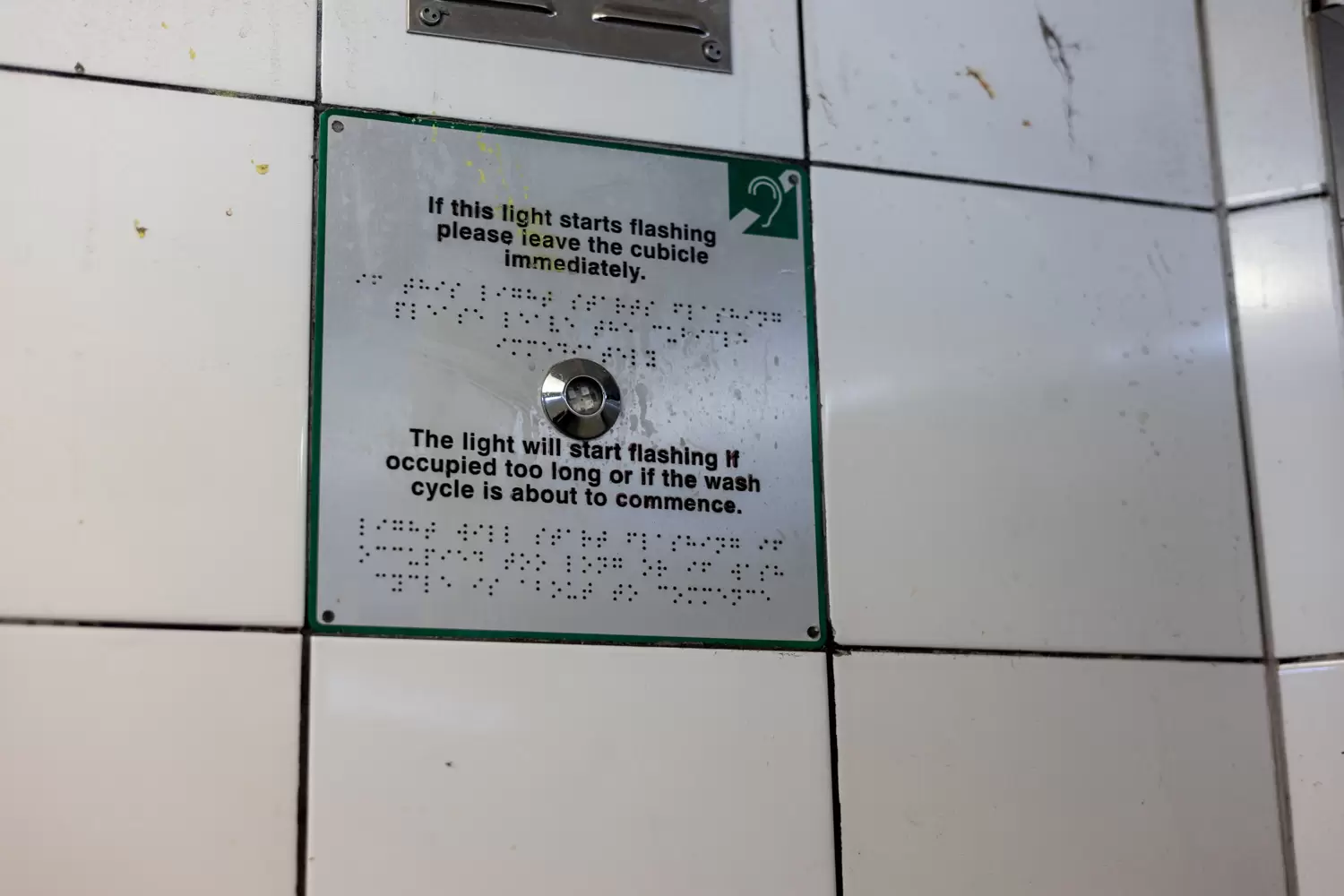
The cleaning function also typically closes the unit for 10 minutes every 30 uses, or as a minimum twice daily. Combine this with times the unit is closed for maintenance or cleaning and it can add up to a scary amount of time when the unit is not available for use.
This can create a queuing issue when there is only a single toilet in the facility.
Download the guide for a 20 year cost study breakdown
See how the costs really stack up. Our 20-year cost comparison breaks down the true price of automated toilets—versus traditional toilet buildings.

What’s the environmental cost?
The environmental impact of self-cleaning facilities is a major concern.
Bluntly, they use a lot of water. Auto flush wastes water since there are multiple flushes between each actual use of the toilet or urinal. Sensor-driven flushing can also accidentally activate while someone is using them but before they’re finished, or even if they happen to be using a toilet stall to change or simply adjust their clothing (this can also be very disconcerting for people).
This constant flushing is a significant driver of increased water consumption.
This is especially hard to justify in areas facing water scarcity, where the unnecessary flushing of water adds to the strain on already limited water resources.
Additionally, the production and disposal of the complex electronic components within these facilities contributes to environmental pollution and resource depletion.
Do high-tech toilets mean high-tech maintenance and repairs?
The maintenance of automatic flush toilets is also far from straightforward.
Unlike traditional toilets, which are driven by simple, easy-to-service mechanisms, these technological marvels require sophisticated electronics and sensors. This means that repairs and troubleshooting become more complex, often requiring specialised (and thus expensive) technicians and costly replacement parts.
In some scenarios, the repair costs can significantly outweigh the promised labour savings.
These parts also might need to be sourced from overseas. That can increase downtime while waiting for spares, and an out-of-order toilet is not one that’s either servicing the needs of the community or that can be said to be paying for itself.
What about security and vandalism prevention?
It’s worth acknowledging that automated toilets offer positives in the context of vandalism and security.
They can be programmed to open and close at designated times. That’s a big help when considering security. They also tend to feature anti-vandal approaches such as wall-mounted fixtures, or retracting bowls which prevent them from being easily broken by hooligans.
Yet similar anti-vandalism technology is now regularly available in more traditional toilet builds — which is available at half (or even a third) of the price. For example, at Modus we can offer traditional toilet amenity solutions that are specially designed with durable materials that are resistant to damage and easy to maintain. Careful material and component selection, items such as heavy-duty stainless steel basins and taps, auto-locking systems and timer-controlled doors, anti-graffiti coatings, and easy-replace modular cladding systems deliver the same level of performance at a better price point.
Exeloo Replacement for Ararat, VIC
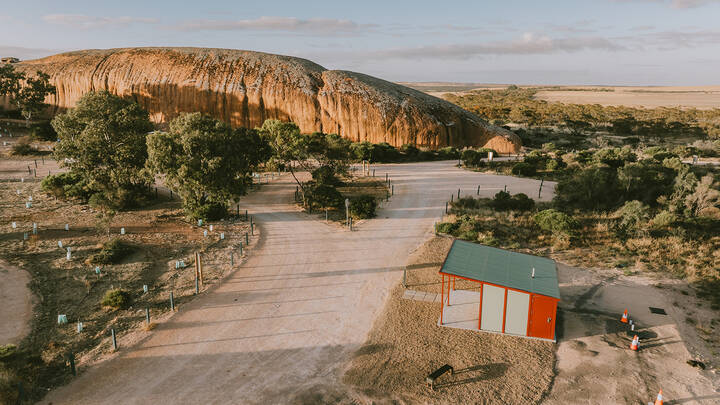
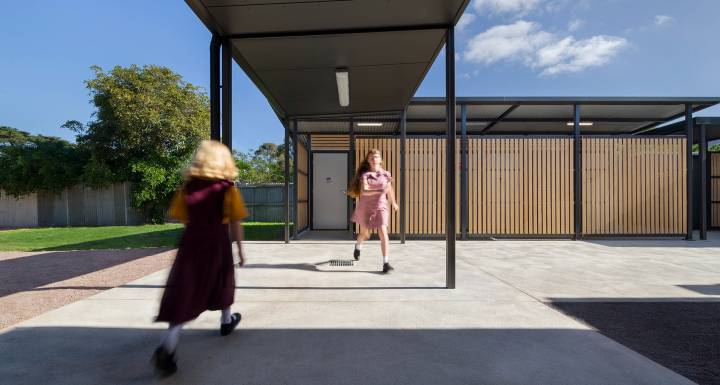
In 2025, Ararat Rural City Council replaced its unreliable Exeloo toilet with Modus Australia’s InCube 1. The Exeloo’s continual tech failures drove up maintenance costs and caused public annoyance. The InCube 1 offers a simpler, low-maintenance solution with key features like timed lighting and ventilation. Prefabricated for quick install and built for durability, the community prefers it and it cuts ongoing costs.

Are there design straightjackets to avoid?
Finally, self-cleaning public toilets tend to lack customisation. The floorplans are often quite large (to fit all that tech), and only come in a couple of styles. This can have a flow-on effect on any facility or park they’re being designed into.
Automatic flush toilets aren’t a silver bullet. The promise of increased hygiene is often unfulfilled, and the high maintenance costs, environmental cost, and how they make toileting hard for some people raises serious questions about their overall value.
Perhaps, instead of blindly running towards a technological fix, we should focus on well-maintained, traditional toilets with accessibility features that people want. This would be more cost-effective and environmentally responsible and ensure a truly inclusive and hygienic experience for all.
Which toilet building do we recommend?
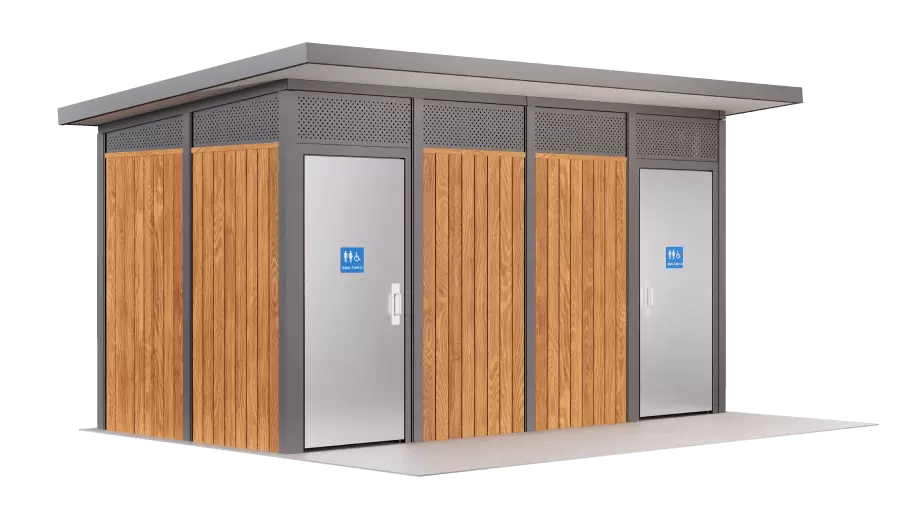
If you need to replace an exisiting Automated Toilet or are after an alternative for your next project at Modus, we would recommend our InCube. The InCube features many of the same premium features as the Automated toilet without the automated features that lead to high maintenance costs down the track.
Choose from our InCube products here
Could the InCube work
for your next project?
Want to explore your options?
Before committing to an expensive automated public facility, we suggest it’s worth exploring alternatives. The reality is that you may well be able to obtain better ROI from a traditional solution. Here’s our advice on what you should look for:
- Proven vandal-proof, easy-to-secure designs that use CTPED (Crime Prevention Through environmental design) principles.
- Design and engineering that offers disabled access, and is compliant with relevant Australian Standards (AS1428).
- Durable material selection that have been tested and are capable of enduring the elements: coastal corrosion, cyclones, heavy snow loads and floods.
- Modular, prefab construction that require minimal connections on-site (warning: not all prefab is the same!) because it will save you time and money.
- Modular floorplans because they can be infinitely adapted and customised to suit your specific building use with standard toilets, showers, changerooms, storerooms or even laundries and canteens.
- A supplier who is able to provide a clear design, full specification, and firm pricing
Frequently Asked Questions
What are the biggest hidden costs of automated toilets?
The "sticker price" of an automated toilet is often just the beginning. Proprietary parts and specialised labour that cannot be sourced competitively both have a big effect on the total cost of ownership.
- Proprietary parts: You are often locked into buying replacement components from the original manufacturer at their set price.
- Specialised technicians: Council facility managers or local plumbers cannot fix electronic logic board failures.
- Utility consumption: Automatic wash and dry cycles consume significantly more water and electricity than standard fixtures.
How do ratepayers and users generally feel about automated toilets?
User feedback is frequently mixed. While the theoretical hygiene of a self-cleaning unit is appealing, the practical experience often creates anxiety. Issues like wet floors, confusing buttons and the fear of doors opening mid-use are common complaints.
- Safety anxiety: Many users worry about the door timer unlocking while they are still inside.
- Hygiene perception: Floors that are wet from a recent wash cycle can feel dirty and slippery rather than clean.
- Accessibility barriers: The sensory environment and automated voice prompts can be overwhelming for people with cognitive impairments.
What should we look for in a traditional toilet building instead?
To achieve the low-maintenance goals that make automated toilets appealing, you should specify a traditional building designed using CPTED (Crime Prevention Through Environmental Design) principles and robust materials. Focus on passive performance, not active technology.
- Passive design: Use natural ventilation and skylights to reduce reliance on fans and lights.
- Robust materials: Specify concrete, galvanised steel and aluminium that can withstand hosing down and vandalism.
- Standard fixtures: Use high-quality, non-proprietary cisterns and tapware that local trades can easily stock and repair.